New study ranks: These are the most nutritious foods in the world
A new rating method has ranked the healthiest and worst foods. No less importantly, it showed that not all fruits and vegetables are equally nutritious.

A new rating method has ranked the healthiest and worst foods. No less importantly, it showed that not all fruits and vegetables are equally nutritious.


A green smoothie has become the new symbol of health, but for people with a tendency toward kidney stones, it could pose a problem.

Olive oil is the king of the Mediterranean diet, but combining it with coffee will not balance hormones or burn fat. A sober look at the viral trend and marketing promises during menopause.

The heavy heat, humidity, and time spent outdoors drain our energy reserves and can affect our dietary preferences. This is how you will nutritionally survive the summer.

In recent years, public awareness of the dangers inherent in exposure to microplastics has been growing – and a new study shows that the solution could come from the trendy and tasty Korean dish.

Stomach aches, heartburn, rumbling, and a feeling of heaviness are not always coincidental. This is how the digestive system starts working even before the first bite.

Avocados are considered one of the healthiest foods, but when researchers examined whether eating them daily improves brain function, the results managed to surprise even them.

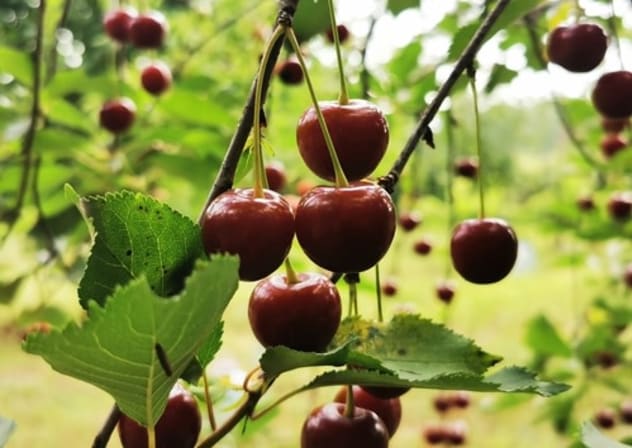
They are beautiful and delicious, but also healthy. This is what cherries can do for your health.
Why is it recommended to prefer calcium from food, how do high doses affect blood vessels, and how to correctly calculate daily intake to protect bones without taking risks?

Vitamin E is not a substitute for sunscreen, a hat, or avoiding excessive sun exposure. But it is indeed part of the body's natural defense system. Here is how to consume enough of it.

Meet lycopene: The powerful antioxidant that protects the heart and skin, and why olive oil and cooking actually upgrade its absorption in the body.
