Archaeology
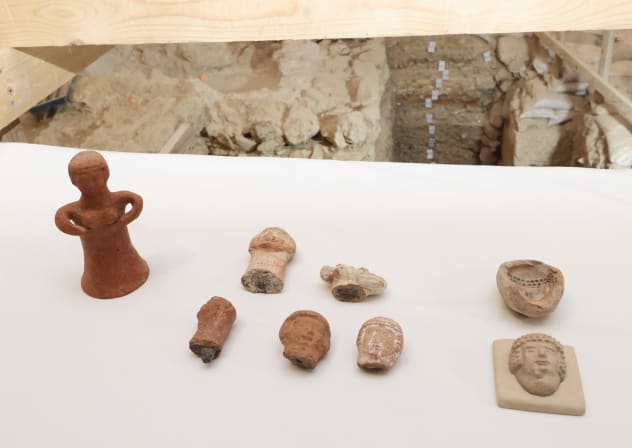
First Temple-era figurine mold unearthed in Jerusalem's 'most significant excavation' in decades
Tower of David Museum Chief Curator Eilat Lieber said that "the discovery of the first mold for producing figurines dating to the First Temple period has generated tremendous excitement."

Ancient Cypriot silver coin found on Ashdod's shore offers new insight into 2,500-year-old trade

Previously undiscovered ancient Egyptian tomb found at Theban necropolis on Nile's west bank

France returns 23 artifacts to Syria after 15 year-long loan amid Macron’s historic Damascus visit
Plaster-making technique attributed to Romans used at Motza some 8,000 years earlier, study shows
"The Pre-Pottery Neolithic B residents of Motza were surprisingly able to differentiate calcite and dolomite stones and used both in their plaster making," the study said.

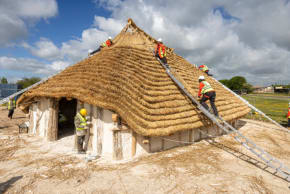
British heritage charity constructs replica of 4,500-year-old prehistoric building near Stonehenge
It is expected to be completed and open to the public by summer, before becoming in September a “living-history learning space for school groups."
Greece calls for return of Parthenon Statues from British Museum at UNESCO, backed by 20 countries
Greece and Turkey argue that Lord Elgin had no firman permissing him to remove the artifacts, while the UK claims Elgin had all necessary documents and brought the Statues to Britian legally.

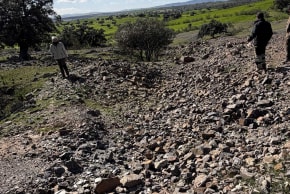
Six previously unknown Bronze Age mines found in Spain, some 150 more remain ‘undiscovered’
The six mines may help explain the source of the metal used in Bronze Age Scandinavian artifacts.
Iraq races to restore ancient Ziggurat of Ur amid threat of climate erosion - report
In a video published in early May, Reuters revealed that the Iraqi government had announced an initial budget of $382,000 to restore the ziggurat. The work will reportedly be completed by July 2026.

Korean, Egyptian archaeologists find ancient temple gate blocks during restoration work in Luxor
The Ramesseum, located in a necropolis near Luxor, serves as a religious and political record of Pharoah Ramesses II’s reign. It is the second largest temple in Egypt.

‘Lexden Lady,’ wealthy Roman woman buried in lead coffin, goes on display in UK
Her exact burial date is unclear, according to the Trust’s statement, but it was likely during the late Roman period - lasting from approximately the late 3rd century to early 5th century CE.

Gov’t approves 250m. NIS plan to preserve West Bank heritage sites ahead of Six-Day War anniversary
Additionally, a multi-year plan worth tens of millions of shekel will be put in motion to upgrade existing infrastructure and hopefully turn the sites into major tourist destinations.

Neanderthal tooth from Siberian cave shows signs of earliest-known invasive dental surgery - study
The molar showed that the Neanderthal who underwent the dental procedure was an adult, though the researchers do not know the individual's gender.

Pompeii victim revealed to be a doctor fleeing Vesuvius’ eruption over 60 years after discovery
The doctor’s identity followed new analysis of archaeological finds kept in the park’s storage warehouses - including a small case hidden within the cast of one of the victims from the garden.
