Archaeology
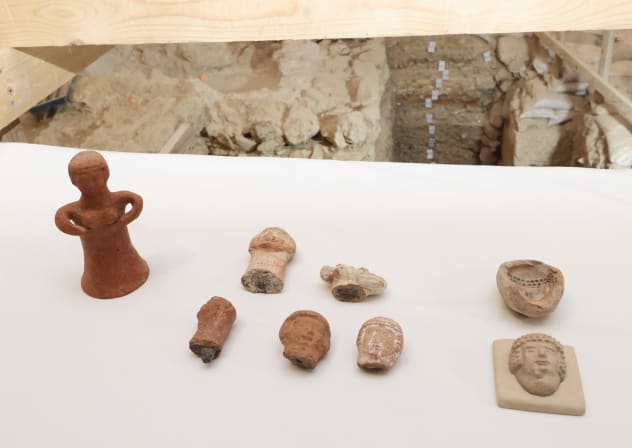
First Temple-era figurine mold unearthed in Jerusalem's 'most significant excavation' in decades
Tower of David Museum Chief Curator Eilat Lieber said that "the discovery of the first mold for producing figurines dating to the First Temple period has generated tremendous excitement."

Ancient Cypriot silver coin found on Ashdod's shore offers new insight into 2,500-year-old trade

Previously undiscovered ancient Egyptian tomb found at Theban necropolis on Nile's west bank

France returns 23 artifacts to Syria after 15 year-long loan amid Macron’s historic Damascus visit
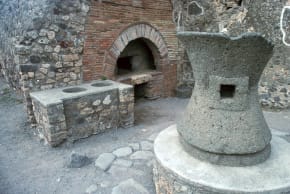
Archaeologist revives 2,000-year-old bread recipe in Pompeii after 18 years of experimentation
Panis quadratus was simple, made of water, flour, and salt, and carefully divided into eight sections with a reed and bound with rope.
Evidence of human sacrifice, inbreeding found at ancient Korean burial complex - study
Additionally, researchers found genetic confirmation that entire families had been sacrificed together as part of sunjang, the ritualistic sacrifice of servants to be buried alongside their superiors

Neanderthal children in central Europe may have hunted turtles for materials, not for food - study
The study also floated the possibility that the turtles had been hunted for “their taste or for an assumed medicinal value.”

MyHeritage's Scribe AI decodes world's oldest love letter, reveals 15th century familial tensions
Brews’ letter is part of the “Paston Letters” collection of correspondence between the Paston noble family and others iduring the 15th century, including state papers and other important documents.
Early humans may have begun eating elephants, large animals 1.8 million years ago - study
The fat stored in Elephant bones, which is rich in essential nutrients, is thought to have played a role in supporting the growth of larger brains in the Homo erectus lineage.

Over 20 sarcophagi belonging to ‘Chanters of Amun’ discovered during excavations near Luxor
Eight pieces of papyrus, some with their original clay seals intact, were also found within the chamber.

DNA analysis reveals ancestry of man buried in ancient Spanish tomb, shows mixed heritage - study
Due to the warm climate, researchers only managed to extract usable DNA from the remains of one of the men, estimated to have been around 45-years-old, called Menga1.

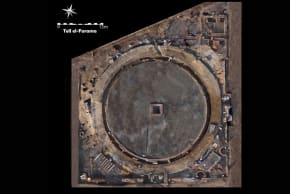
An ancient Egyptian temple was just found in Sinai after six years of digging
Analysis of the site also shows that the structure had been continuously used from the 2nd century BCE to the 6th century CE, with only minor architectural modifications happening during that time.
Ancient charcoal found in northern Israel sheds new light on how early humans lived - study
Within the charcoal, archaeologists found traces of ash, willow, oak, olive, pistachio, grapevine, oleander, and the oldest known evidence of pomegranate wood in the Levant.

Early humans in South Africa used dedicated quarries for stone as long as 220,000 years ago - study
Based on this, researchers suggest that early homo sapiens planned for the long-term acquisition of resources earlier than previously thought.