Archaeological study
Ancient humans precisely navigated northern Israel to find right stones for tools, study suggests
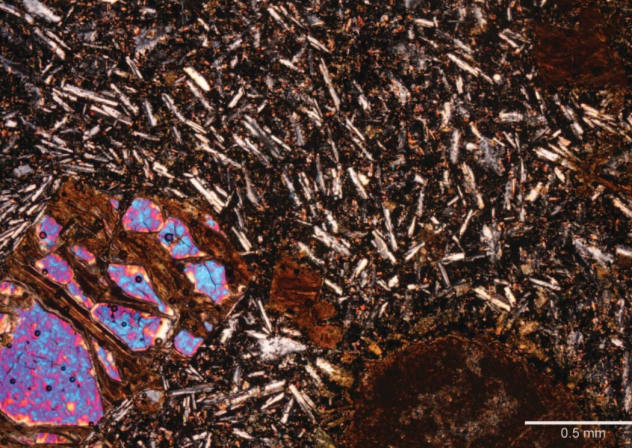
Basalt seemingly held special importance at GBY, particularly for producing large cutting tools like handaxes and cleavers.

Inside the tragic, decades-long mystery of Qumran's lost Second Temple incense

One of the Dead Sea Scrolls' greatest mysteries may have finally been solved by Israeli researcher
New AI-powered research project aims to uncover the origins of the Dead Sea Scrolls
Remains from Israel’s North show Neanderthal children grew faster than modern humans - study
According to the study, Amud 7’s remains date to approximately 51,000 and 56,000 years ago and belong to the most complete skeleton of a Neanderthal infant ever found.

Great Pyramid of Giza was built over course of 20 years, using multiple ramps, new study claims
Roig’s model found that using a single ramp would have been insufficient and would have required nearly half a century of construction to reach the pyramid’s completion.

CT scans reveal age, authenticity of child mummy housed in Polish museum for over a century - study
“We are still working on the mummy," said Professor Agata Kubala in a statement, as an "X-ray revealed the presence of an object on the chest, which may be a papyrus containing the boy’s name.”

Evidence of human sacrifice, inbreeding found at ancient Korean burial complex - study
Additionally, researchers found genetic confirmation that entire families had been sacrificed together as part of sunjang, the ritualistic sacrifice of servants to be buried alongside their superiors

Neanderthal children in central Europe may have hunted turtles for materials, not for food - study
The study also floated the possibility that the turtles had been hunted for “their taste or for an assumed medicinal value.”

Early humans may have begun eating elephants, large animals 1.8 million years ago - study
The fat stored in Elephant bones, which is rich in essential nutrients, is thought to have played a role in supporting the growth of larger brains in the Homo erectus lineage.

Ancient charcoal found in northern Israel sheds new light on how early humans lived - study
Within the charcoal, archaeologists found traces of ash, willow, oak, olive, pistachio, grapevine, oleander, and the oldest known evidence of pomegranate wood in the Levant.

Early humans in South Africa used dedicated quarries for stone as long as 220,000 years ago - study
Based on this, researchers suggest that early homo sapiens planned for the long-term acquisition of resources earlier than previously thought.
Ashes of Pompeii: New study confirms ancient city's role within Rome’s global trade route
Remnants of a “grape-derived product” was also found within one of the burners, the study noted, consistent with literary and artistic depictions of wine being used for ritual purpose in Rome.

How archaeologists used technology to rediscover ancient Egyptian city on the Nile Delta - study
The site holds three prominent mounds, known as Koms A, B, and C, with Kom C selected for investigation due to its history spanning the Predynastic period through the Early Islamic era.
