Yazidis
Fourteen years after genocide, Yazidis may see stability in Iraq - analysis
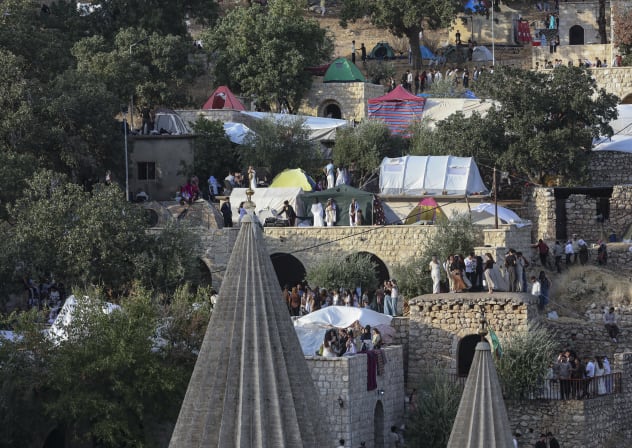
The Yazidi region was largely abandoned by Iraq. The Yazidis remained, but they were divided.

Yazidi fighters disarm in Iraq's Sinjar after a decade of division - what comes next? - analysis

From forced conversion to genocide: How Yazidis carry centuries of persecution into exile

Thousands of ISIS-linked women, children still held in Syria’s camps amid escape efforts - analysis
Yazidi genocide survivor will use Nobel money to build hospital
400,000 Yazidis remain without basic services and are unable to return to homes four years after genocide.

December 3, 2018: Yazidi genocide
Our readers have their say.

Terra Incognita: Israel and the Yazidis
Shortsighted politics prevent genocide recognition

MK Svetlova in 'Post': Failing to recognize Yazidi genocide is like world ignoring Holocaust
Now try to answer this question: Should Israel, the state that rose from the ashes of Holocaust recognize and acknowledge a genocide when it happens to other people?

ANALYSIS: Nobel Peace Prize shines light on foible amid plaudits
West hands out awards, but does little to actually alleviate the plight of those it highlights.
Nadia Murad’s Nobel Prize and the legacy of ISIS crimes
“Many Yazidis will look upon this prize and think of family members that were lost, are still unaccounted for and of the fate of 1,300 women and children, which remain in captivity.”

Former Yazidi sex slave wins Nobel Prize for fight to end sexual war crimes
Nadia Murad is a Yazidi human rights activist and survivor of sexual slavery by the Islamic State in Iraq.
British anti-ISIS fighter sentenced in Turkey for “terrorism”
UK citizens protested in London in solidarity with former soldier that joined Kurdish forces fighting Islamic State.

Yazidi genocide survivors say ISIS supporters returning to northern Iraq
Locals say Baghdad is not ensuring the protection of survivors.

Yazidi victims of ISIS fear for lives in Germany due to ISIS presence
The harrowing story is the most shocking case of a former survivor of the ISIS genocide in Iraq, that led to the ethnic cleansing of more than 400,000 Yazidis.