Ra'am
Eisenkot-led bloc sinks Shas bill to freeze haredi draft evader arrests amid talks with UTJ
Golan demands one of Israel's top three ministries amid dispute with Eisenkot over unity talks • Likud attacks October 7 inquiry bill over proposed investigation of IDF conduct
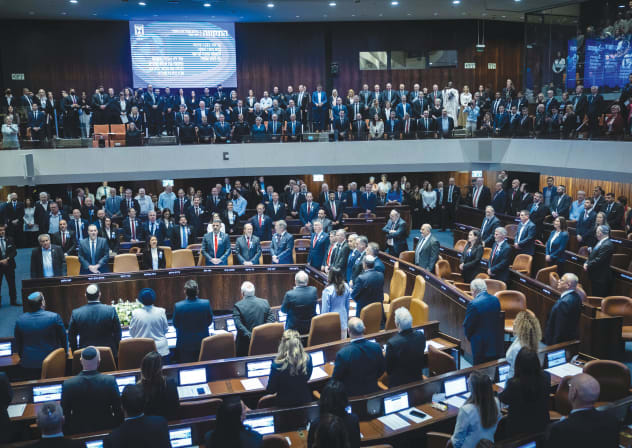

Netanyahu, Eisenkot must put differences aside to give Israel the government it needs - editorial
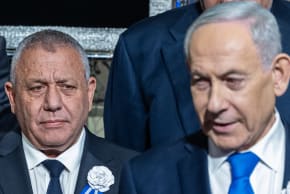
Likud, Yashar's continued unity gov't talks leads to Democrats leaving Eisenkot's bloc
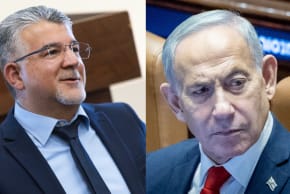
Joint List chairman condemns October 7 massacre, accuses Netanyahu of fueling racism against Arabs
Arab parties Ra'am, Joint List rise to 19 seats amid high turnout, election polling data shows
The projections would give the two parties combined either 18 or 19 seats in the 120-member Knesset, compared with their five seats each in the outgoing parliament.

Arab voter turnout surges past 2022 figures as haredi strongholds lag behind
In Umm al-Fahm, turnout reached 56.1% by 6 p.m., compared with a final turnout of 51.33% in 2022, an increase of 4.77 percentage points, with several hours of voting still remaining.

Suspected Ra'am vote bribery case transferred to Lahav 433 as Netanyahu calls for investigation
"There was nothing improper about the activists' conduct," the Ra'am party stated in response. "These are attempts by Ben-Gvir’s police force to suppress voting within Arab society."

Election Night: Netanyahu's bloc overtakes opposition, but both fall short of majority
Eisenkot declares victory as opposition bloc leads Netanyahu's, but neither have clear path to majority • Arab parties skyrocket as Netanyahu's right-wing partners fall

Election Day: A complete guide to Israel’s political parties and what they stand for
The Jerusalem Post has prepared a series of explainers breaking down the platforms, leaders, and main positions of the main parties running in the election.

Arab world hopes for an Israel without Netanyahu, but doubts it will change - opinion
Arab commentators are divided over whether Israel’s elections could revive regional diplomacy, but few expect a fundamental shift in policy toward the Palestinians.

Eisenkot leads Netanyahu but deadlock looms, election polls show two days before Israelis vote
The average gap between the two major blocs stands at 4.5 seats, with neither reaching the 61-seat majority needed to form a government.

Beyond the polls: What are Israelis really thinking as they head to the ballot box?
Each new poll produces a headline that often disagrees with other outlets. Israelis follow polls like a tennis match, their heads swiveling from side to side, following the ball in play.

Most young Arab Israelis are willing to vote for non-Arab parties, demand solution for crime - poll
Sixty percent of respondents said they would consider voting for a non-Arab party if it presented a clear plan to address issues important to them.

Ra'am, Joint List push community for high voter turnout in hopes of boosting anti-Netanyahu bloc
If no bloc forms a workable government, it could lead to a period of political deadlock and then fresh elections in 2027, with Netanyahu left in charge in the meantime.
