Prehistory
Israeli researchers use ancient stone tools to trace hunter-gatherer migrations
The study focused specifically on the late Middle Paleolithic period, when ancient hunter-gatherers attempted to navigate intense environmental shifts in the South Caucasus region.
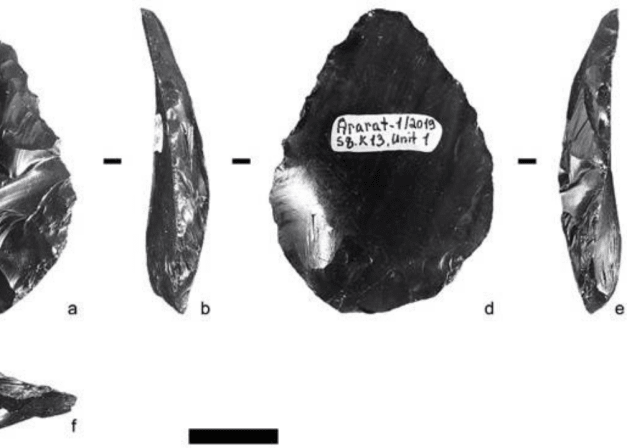

Prehistoric hunter-gatherers stayed connected across 200 kilometers, Israeli study finds

Secrets of a drowned realm: DNA traces show the North Sea once held sprawling woodlands

'Ghost lineage': Ancient DNA upends the single‑migration myth of the Americas
Mystery in Nazca desert: Researchers go missing
Search efforts complicated by rugged terrain and multiple routes around Criterion hill, say authorities.

Neanderthal recipes: Study reveals how Neanderthals living in Northern Israel butchered their meat
These differences in butchery practices cannot be explained by tool type, skill, or available resources, indicating that cultural practices might be responsible.

Beneath the Antarctic ice: Gondwana's lost world revealed by modern technology
The landscape has remained untouched since the ice sheet formed, preserving features shaped by ancient rivers.

Prehistoric humans may have used fire to smoke meat one million years ago, study suggests
Over time, as the availability of large game declined, humans had to adapt to hunting smaller animals and using fire more consistently.

Major genomic study reveals humanity's longest prehistoric migration from Africa to South America
Reduction in genetic diversity in indigenous populations may have reduced their capacity to combat diseases.

World's oldest Neanderthal fingerprint found on 43,000-year-old pebble in Spain
Researchers suggest the pebble may represent one of the earliest human facial symbolizations in prehistory.

When Pterosaurs ruled Brazil's sky
In 'Pterosaurs of Brazil', paleontologist Luiz Eduardo Anelli highlights four species with unique characteristics, such as enormous crests and colossal heads.

Unknown, ancient Texan hunter-gatherers made musical instruments from human bones
New findings suggest ancient cultural exchange between southern Texas tribes and the Aztecs.

Saudi Arabia was a green oasis 8 million years ago, study reveals
Fossil evidence shows existence of elephants, giraffes, and crocodiles thriving in environments rich in rivers and lakes.

Hunter-Gatherers crossed 100 km of open sea to settle ancient Malta
Archaeologists find evidence that hunter-gatherers crossed over 100 kilometers of open sea to reach Malta 8,500 years ago.
