Jewish history
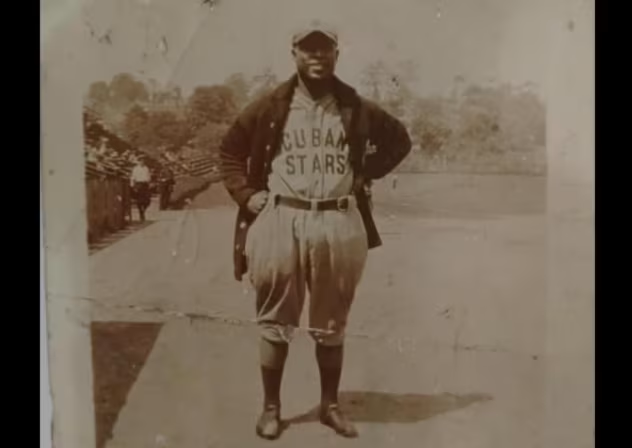
The discovery of a Jewish Negro League star forces a rewrite of Jewish baseball history
Oscar Levis was one of the finest pitchers of his era. He was Black and he was Jewish. And for a century, baseball didn’t have the categories to say so.

Saved from Nazi-occupied Prague, thousands of Torah scrolls find new life through a Satmar scribe

Jewish American history museum moves closer to joining Smithsonian amid political tensions

Exploring Jewish history on an Adriatic cruise - review
Middle Israel: How 'The Odyssey' echoes the Jewish story of homecoming - opinion
Written roughly in the time of Isaiah, The Odyssey had nothing to do with the Jews. Its narrative, however, sure is relevant to the Jews, as their own narrative comes under assault.

Brilliant Hebrew calendar: More than just dates - opinion
Thanks to the Hebrew calendar, Jewish history is never abandoned or forgotten. Jews celebrate or commemorate – from destruction to rebirth.

Tisha B'Av's warning: Has Israel reached the point of no return? - opinion
The point of no return in the destruction of the Temple, that we mourn for on Tisha B’Av, actually took place on the eve of Tamuz 17, in what is known in the Talmud as the burning of the barns.

Between the straits: On Tisha B’Av, Israel must confront its own internal fanaticism - opinion
This year, we will fast and observe the customs of our national day of mourning. We will go through the motions, yet the conclusion is unavoidable: we have forgotten.

Middle Israel: How Jews and Palestinians became masters of historical denial
Had the Jews studied their history impartially, they would've understood centuries before Herzl that regaining their land and restoring their power is their task, not God's.

The foreign policy lesson hidden in Lamentations - opinion
Jewish tradition attributes Lamentations to the prophet Jeremiah, who was persecuted in part because he warned against relying on Egypt. He thought Babylon would determine Judea's fate.
Chabad couple turns a small dream into Iceland's historic first Jewish cultural center - interview
"Our first priority was just to connect with people on a personal level, on an individual level, and find out what people felt was missing," Rabbi Feldman told The Jerusalem Post.

Venice art installation grapples with its Jewish history at 61st International Art Exhibition
At once playful, spiritual, and unsettling, Nabatele imagines a Jewish house of worship without ground beneath it.

Parashat Matot-Masei: Don’t borrow identity
Public debate has become louder, more bitter, and less capable of self-correction because opinions have hardened into identities.

Parashat Matot-Masei: Slow and steady
The most important movement is not always what is visible externally, but what takes place within a person.
