Hula Valley
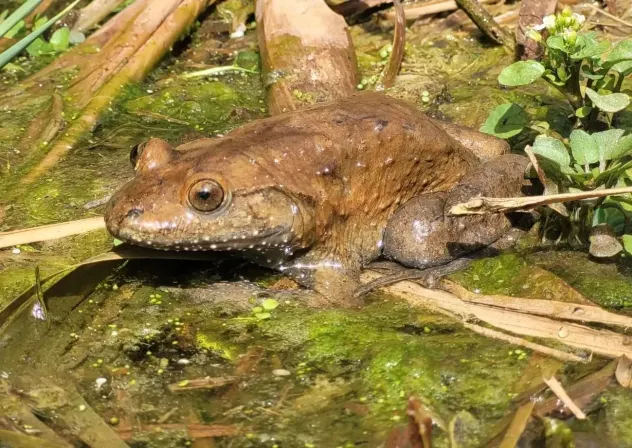
Over 250 Hula painted frogs released into Hula Nature Reserve
More than 250 Hula painted frogs and tadpoles, once mistakenly believed to be extinct, were released into the Hula Nature Reserve from the Jerusalem Biblical Zoo's breeding program.

Searching for hope in an age of extinction

Ancient charcoal found in northern Israel sheds new light on how early humans lived - study
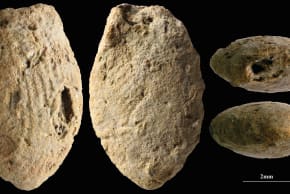
Ancient clay beads found in northern Israel rewrite timeline of cultural expression in the region
KKL-JNF unveils new program to protect migratory birds
In the last 30 years the the migratory bird population in Israel has dropped by more than 10%, according to KKL-JNF, due in part to climate change and the bird flu epidemic.

Owl injured in evacuated northern town is nursed back to health by KKL-JNF
The owl was discovered by the side of the road injured, mostly likely from a passing vehicle.

Thousands of birds take flight, migrate from Hula valley
The species which could be spotted high in the skies include, storks, cranes, pelicans and birds of prey which had taken refuge in the Hula valley due to the recent wintery climate.

Dozens of cranes killed by bird flu in northern Israel
Avian influenza has affected tens of millions of birds and thousands of mammals worldwide in recent years.

Swamp cat spotted on nighttime prowl in Israel's North
Due to the tension in the North, the Hula Valley is empty of human visitors, but the same cannot be said of its wildlife inhabitants.

New tech reveals ancient Israelis were 'highly capable' and resourceful
Very capable early humans in the Hula Valley systematically sought raw materials hundreds of thousands of years ago – much earlier than previously assumed.
