Hebrew University of Jerusalem
She made aliyah at 16 - today, she's teaching the next generation about AI
Since July 2024, Prof. Claudia V. Goldman has been an associate professor in the Data Science Department at the Hebrew University Business School in Jerusalem.

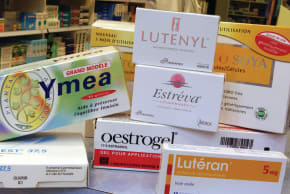
'Not a gradual slide': Menopause can reshape women's bodies in a sudden shift, Israeli study finds

Using an 800,000-year-old tooth, researchers unlock the secrets of Israel’s ancient elephant haven
Europe remembers its murdered Jews, but does it listen to living ones? - opinion
Hebrew University start-up wins Asper Prize for approach to cancer treatment
ViVac Pharma receives NIS 100,000 award for its work on programmable RNA immunotherapies targeting solid tumors.

Jerusalem’s Old City reveals its hidden beauty on Open Houses tours
Guided tours reveal the hidden architectural details, cultural heritage, and centuries of history woven into Jerusalem’s Old City.

Hebrew University receives record $250 million donation from philanthropist John Paulson
Billionaire John Paulson’s gift will fund a new Faculty of Engineering, expand medical research, and support trauma treatment.

Reservists lose municipal-tax discounts after wartime protection expires, petition says
One medical student, whose ordinary monthly wages were approximately NIS 2,600-3,000, received a full annual bill of roughly NIS 5,878 after previously receiving an 80% discount.

Israeli universities need more funding to sustain scientific excellence - opinion
The human mind is the State of Israel’s most precious resource. Academia is where that resource is cultivated, challenged, and transformed into national strength.

Combating Israel's 'brain drain': Inside Hebrew University's new medical education center
The new center aims to combat Israel's so-called 'brain drain', in which an increasing number of Israelis are receiving extensive education overseas and remain elsewhere, just as Israel may need them

Premature birth may cause lifelong kidney damage, Israeli researchers find
A joint Australian-Israeli study identifies how premature birth disrupts kidney development, potentially leaving babies with a lifelong shortage of vital filtration units.

Israelis feel more Middle Eastern as views of Europe sour, study finds
A Hebrew University survey finds Israelis increasingly identify as Middle Eastern, feel safer in Israel, and view Europe more skeptically.

Only one-third of Israelis want Netanyahu to remain in power, Hebrew University study reveals
The study was conducted by Dr. Nimrod Nir of the Agam Institute and Dr. Gayil Talshir of the Hebrew University of Jerusalem on October 5–6, 2026. The sample included 2,437 respondents.

Jerusalem Biennale turns trauma and pain into art, healing, and hope
The Jerusalem Biennale showcases 42 exhibitions exploring trauma, memory, spirituality, healing, and the search for hope.
