‘You are standing today’: A Jewish lesson for America, 25 years after 9/11
As we approach the 25th anniversary of that terrible day, this week’s haftarah (Isaiah 61:10-63:9) offers a powerful perspective on destruction, rebuilding, and memory.

As we approach the 25th anniversary of that terrible day, this week’s haftarah (Isaiah 61:10-63:9) offers a powerful perspective on destruction, rebuilding, and memory.


The Ten Commandments are not an independent list of fundamental principles, but rather the nucleus from which the entire Torah unfolds - its genetic code.
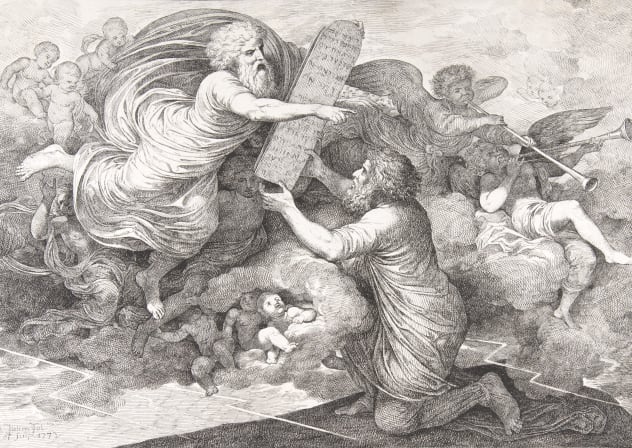
At Sinai, the people were instructed to remain outside the boundary. In the Sanctuary, the holiest place stood behind a curtain.

The Torah remains unchanged, yet its message can be expressed anew in the language, challenges, and circumstances of every generation.

Public debate has become louder, more bitter, and less capable of self-correction because opinions have hardened into identities.

The most important movement is not always what is visible externally, but what takes place within a person.

We often encounter people who seem to be pursuing the very same path on which we hope to succeed, and naturally, we may sometimes fear that their success will diminish our own opportunities.

The Three Weeks do not ask us to despair. They ask us to remember what we lost, why we lost it, and, above all, that God has never stopped remembering us.

In a highly integrated world, the isolation of the State of Israel is itself a strategic risk. Some voices in Israel deride this issue or dismiss concerns about how we are viewed.

Jewish tradition values personal modesty and meaningful inner growth that is not displayed for public attention. Such conduct is fitting for a people who serve God.

The conclusion is clear: a nation that attacks another in an attempt to annihilate it forfeits its claims to protection. Israel did not conquer out of ambition. It defended itself.
