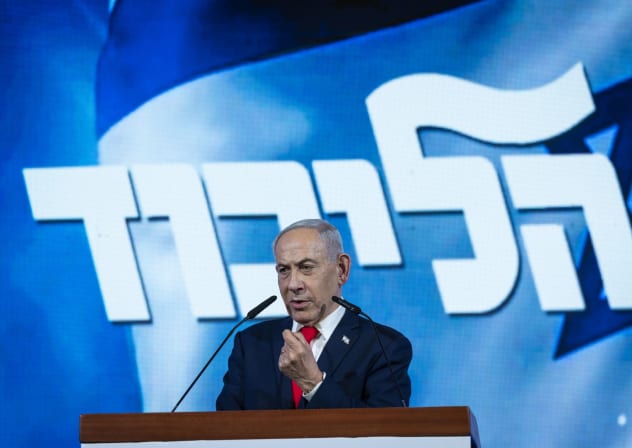
Israel's leaders may not accept Arab parties even if required for coalition, IDI president says
At least two Arab parties, Hadash and Ta’al, have indicated a willingness to set some of their agenda aside to help change Israel’s current leadership.
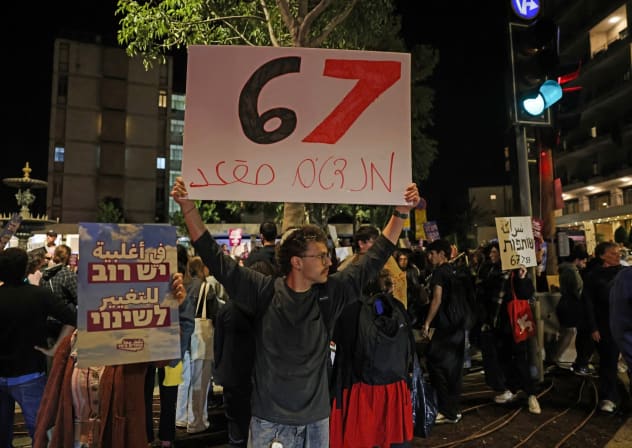
At least two Arab parties, Hadash and Ta’al, have indicated a willingness to set some of their agenda aside to help change Israel’s current leadership.


Among the signatories are residents of Gaza border communities who survived the massacre and remain displaced from their homes three years later.
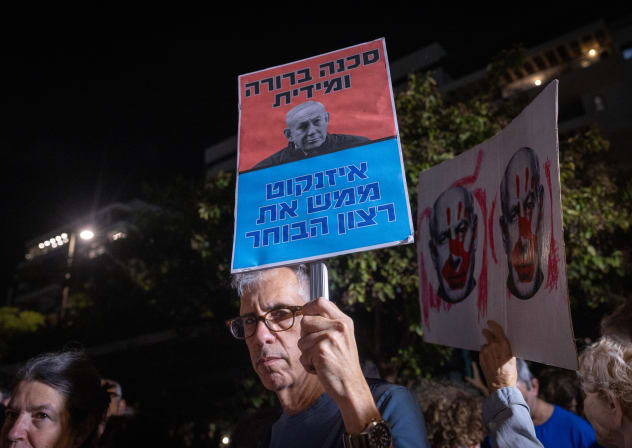
The familiar faces still lead the major parties and will dominate the coalition negotiations. Beneath that continuity at the top, however, the election has brought considerable change to the ranks.

The disparity is particularly notable among Yashar, B'Yachad, and the Democrats, all of which committed to 50% female representation in their party lists.

The consultations will begin Wednesday at 5 p.m. with Religious Zionism-Zehut, and end with Likud at 8:30 p.m. the following day.

Party chairman Yair Golan has called for the opposition bloc seeking to replace Netanyahu to form a coalition with the Arab parties.
Decision follows release of doctor arrested on Election Day; police challenge another suspect’s release to house arrest

Israel’s political rivals must move beyond coalition vetoes and agree on security, reconstruction and accountability if a unity government is to deliver more than shared power.
Would Netanyahu be prepared to abandon some of the policies that have sustained his political alliances in exchange for Eisenkot's support?

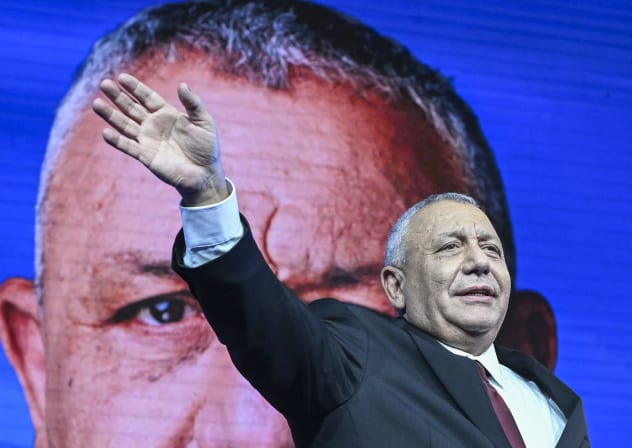
Avigdor Liberman said on Monday that Yisrael Beytenu will recommend Gadi Eisenkot for prime minister and back Yair Lapid for Knesset speaker following last week’s election.

"We demand a swift and thorough investigation to safeguard the integrity of the Knesset elections and the sovereignty of the people," Netanyahu concluded