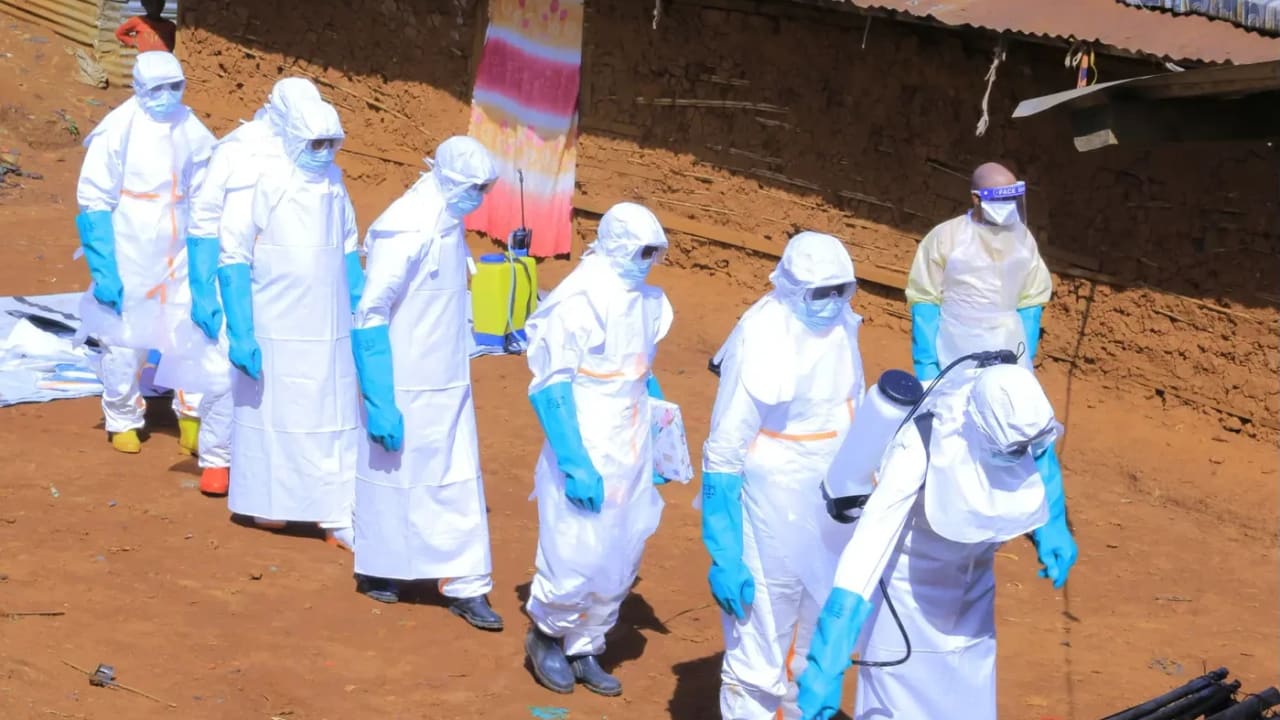
Officials from the Health Ministry's High Hospitalization Authority met on Sunday evening to monitor and discuss ongoing strategies for the Ebola virus outbreak in the Democratic Republic of the Congo and Uganda, according to a Telegram post by Ministry spokesperson Shira Solomon.
The discussions reviewed updates from the World Health Organization (WHO) and examined "existing procedures in the health system, and necessary steps for further preparedness, if required."
The Ministry emphasized that the risk of an outbreak in Israel is low and that the meetings were for monitoring and preparedness, adding that there are currently no known Ebola cases in Israel.
"The Ministry of Health continues to monitor developments worldwide on an ongoing basis, is in contact with relevant international bodies, updates medical teams, and will continue to update the public as needed," the message concluded.
The WHO reported a total of 906 suspected Ebola cases and 223 suspected deaths from the virus in the Democratic Republic of the Congo as of Wednesday.

In addition, as of Friday, nine Ebola cases have been confirmed in Uganda, with the overall confirmed case count across both countries totaling 134, with 18 confirmed deaths, according to the WHO.
Health Ministry: Avoid contact with the sick
Although the current risk of an Ebola outbreak in Israel remains very low, health authorities advise travelers to affected regions to avoid contact with sick individuals, contaminated materials, and high-risk environments, and to maintain good hygiene practices.
"As of now, there is no recommendation to avoid flights to Africa, and most travelers are not expected to be exposed to the disease at all, even during a period of an active outbreak,' Dr. Roni Farber, the director of the Public Health Division at Femi, wrote in The Jerusalem Post on Thursday.
"However, the Ministry of Health recommends traveling with caution and higher awareness: Avoid areas where active cases exist, ensure frequent handwashing and disinfection, and avoid direct contact with sick people, body fluids, or objects that might be contaminated," Dr. Farber concluded.
Recent advances in vaccines and treatments have also improved outbreak management and reduced mortality rates.
Dr. Roni Farber contributed to this report.