DUBAI YES, ISRAEL NO. The Euroleague recently announced that it will host a newly established Supercup tournament in Abu Dhabi from September 18 to 19 - less than a week before the official start of the Euroleague season. The event will feature three of last season’s Final Four contenders - Fenerbahce, Olympiacos, and Real Madrid - alongside host club Dubai. Abu Dhabi is also slated to host this season’s Final Four.
The move to stage a high-profile tournament in the United Arab Emirates aligns with the league's ongoing plans to hold Dubai's regular-season home games in the country. By contrast, European basketball has not returned to Israel since the escalation of conflict with Iran in late February.
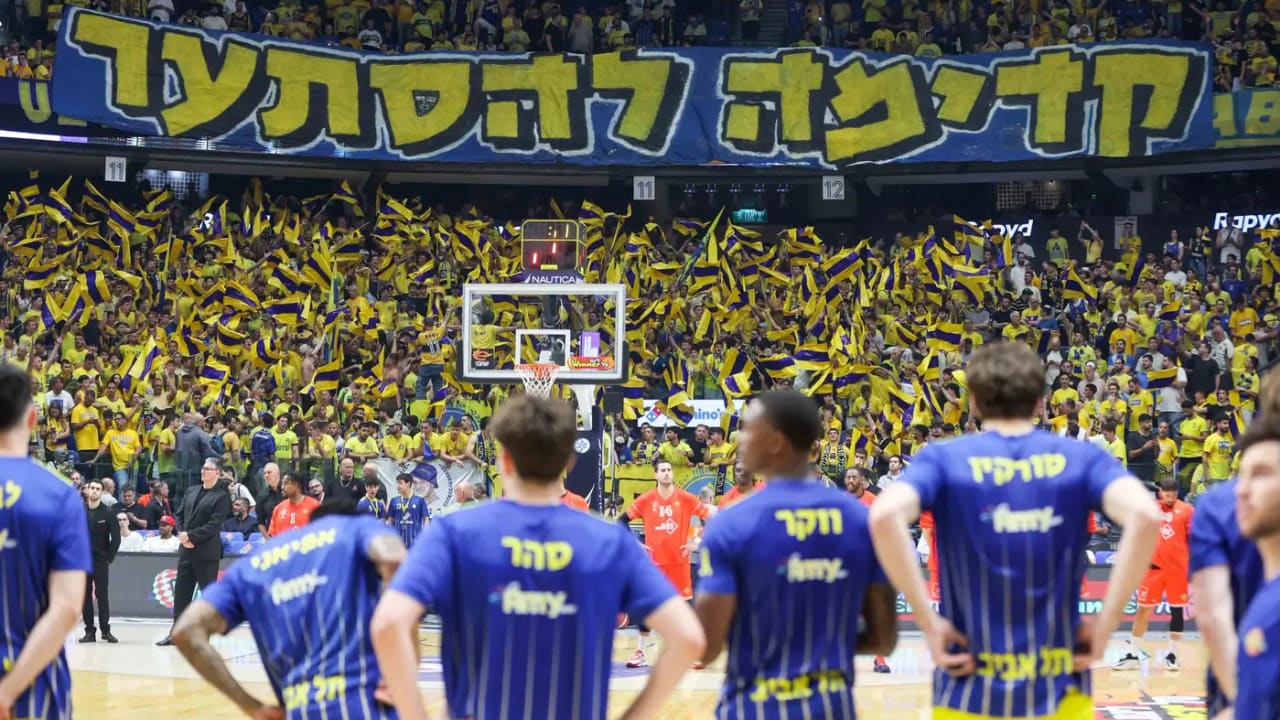
Despite persistent pressure from Maccabi Tel Aviv and Hapoel Tel Aviv, Euroleague officials have yet to approve a return to Israeli venues. Consequently, Maccabi Tel Aviv and Hapoel Tel Aviv will launch their campaigns in Belgrade and Sofia, respectively, while Hapoel Jerusalem will also be forced to host its fixtures in Belgrade.
The disparity in safety assessments has raised eyebrows across the league, given that security conditions in the UAE have experienced disruptions from Iranian missile activity several times since an April ceasefire, whereas Israel recorded only a single incident during the month of June.
The policy has drawn public outrage from prominent Israeli figures.
"Can someone at Maccabi Tel Aviv, who sits on the Euroleague Board of Directors, please explain how a country that was fired at by 1,700 missiles in 2026 (and has no protected space or warning time of more than two minutes) hosts the Euroleague Supercup, while a country that was fired at by about 650 missiles (with 10 minutes warning and protected spaces) doesn't host a single game?", questioned Arik Shtilman, Maccabi Tel Aviv's main sponsor, who is currently locked in a ownership battle for the club against the Recanati family.