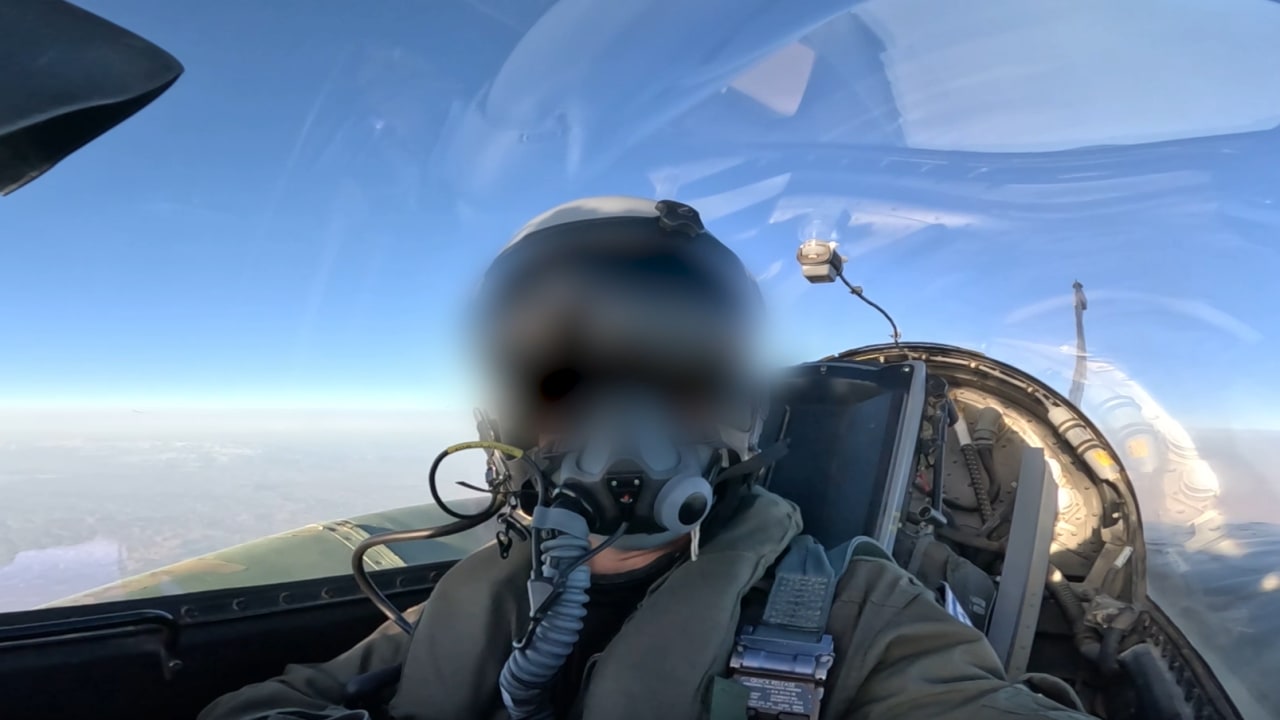
Military pilots and special operations forces around the world are increasingly using the prescription drug modafinil to remain alert during missions that can last dozens of hours without sleep.
The medication, originally developed in France in the 1970s, was approved for the treatment of severe sleep disorders such as narcolepsy, a neurological condition that causes sudden daytime sleep attacks. Over time, several Western militaries, including the US Air Force and the Royal Air Force, found that the drug could help pilots remain focused even after extended periods without sleep.
The drug enables pilots to maintain alertness and concentration even after as much as 40 hours without sleep, while preserving their motor coordination.
Military aviation and special operations frequently require personnel to operate for long stretches where precision and concentration are critical. In such circumstances, fatigue becomes a major operational risk. Traditional stimulants such as caffeine or amphetamines have historically been used to combat exhaustion, but they often produce side effects including rapid heartbeat, irritability, and a sharp decline in judgment once the stimulant wears off.
Modafinil works through a different biological mechanism than medications used to treat attention deficit disorders such as Ritalin or Concerta. Those drugs sharply increase levels of dopamine and norepinephrine in the brain’s synapses. Modafinil acts more selectively, influencing regions responsible for regulating sleep and wakefulness, particularly the hypothalamus.

Modafinil increases levels of orexin, maintaining wakefulness
One of the drug’s key mechanisms involves increasing levels of orexin, a neuropeptide that plays a major role in maintaining wakefulness. It also affects the neurotransmitter histamine, another important component in the brain’s alertness system.
Unlike caffeine, which suppresses fatigue by blocking adenosine receptors in the brain, modafinil promotes a sustained state of wakefulness. The drug reaches peak concentration in the bloodstream two to four hours after ingestion and has a relatively long half-life of 12 to 15 hours, meaning a single dose can keep a person awake throughout the day.
In Israel, the medication is sold under the brand name Provigil and is classified as a prescription drug used to treat specific sleep disorders, including sleep apnea and sleep disturbances related to shift work. Although it is not officially approved for treating attention deficit and hyperactivity disorder, many physicians note that it may improve concentration and short-term memory. As a result, it has become popular for off-label use among students and professionals working in demanding fields.
Users typically do not experience the euphoria associated with stronger stimulants. Instead, they report simply feeling alert, similar to the sensation of having had a full night’s sleep.
Studies have shown that pilots who took modafinil were able to perform complex maneuvers in flight simulators with accuracy nearly identical to their performance when fully rested. Participants who received a placebo, by contrast, showed a significant decline in performance under sleep deprivation.
Typical doses range from 100 to 200 milligrams per day, though higher doses may sometimes be administered during special military operations when divided throughout the day.
Despite its benefits, the medication is not without risks. Side effects can include headaches, nausea, dizziness, and anxiety, though the drug is considered to have a significantly lower addiction potential than amphetamines.
One concern is that users may ignore the body’s biological need for sleep. Even if the brain remains alert, the body still requires rest to repair tissues and clear metabolic waste. When the drug’s levels in the bloodstream decline, users may experience a sudden drop in alertness, sometimes described as a “crash,” although this effect is generally less pronounced than with other stimulants.
In rare cases, the drug may cause severe and potentially life-threatening skin reactions, which is why medical supervision is recommended when the medication is first prescribed.
Air forces that permit the drug’s use argue that the danger posed by an exhausted pilot, who may fall asleep or make critical judgment errors, outweighs the potential side effects. For that reason, the medication is administered under strict medical protocols, and pilots typically undergo testing on the ground before they are authorized to use it during flight operations.
The ability to remain alert for 24 consecutive hours offers a significant tactical advantage. At the same time, researchers continue to study the physiological cost that extended sleep deprivation places on the human body.