
As Israel celebrates Jerusalem Day, marking 59 years since the reunification of the city in the Six Day War, this week’s haftarah for “Machar Chodesh” (“tomorrow is the new moon”) offers a timely message about longing, loyalty, and the enduring bond between the Jewish people and their homeland.
From I Samuel 20:18-42, it recounts the dramatic encounter between David and Jonathan on the eve of the new month. King Saul, consumed by jealousy and rage, seeks to kill David, perceiving him as a threat. Jonathan, Saul’s son and David’s closest friend, devises a secret plan to warn David.
The passage appears to revolve around palace intrigue and personal friendship. But the deeper theme is the pain of separation and yearning for reunion.
David is forced into hiding, cut off from the court, the center of Jewish national life. Jonathan risks everything for their friendship. In one of the Bible’s most emotional scenes, they embrace and weep before David flees into exile.
“David wept exceedingly,” the haftarah tells us (I Samuel 20:41).
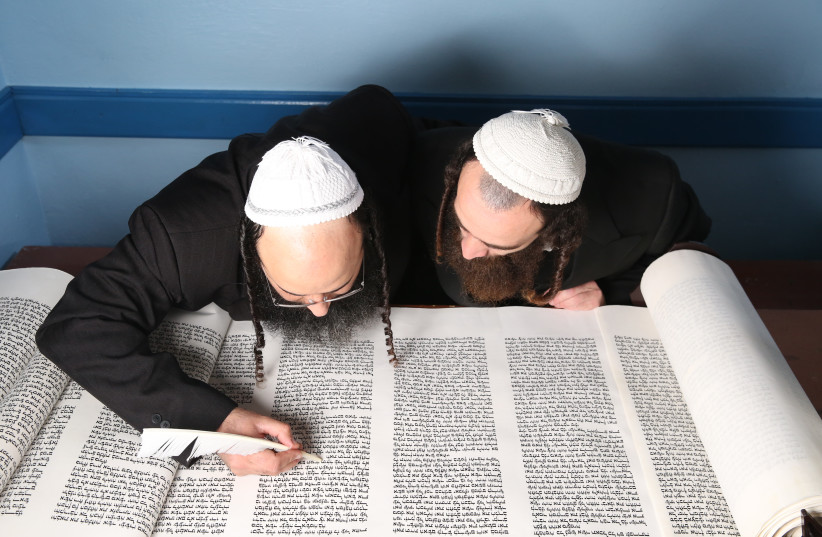
Reading these verses, we think of the long and painful exile of the Jewish people from Jerusalem.
For almost 2,000 years, Jews turned toward the Holy City in prayer, longing to once again return to Zion. Three times daily, we beseech God to “return in mercy to Jerusalem.” At weddings, we break a glass, declaring, “If I forget thee, O Jerusalem, let my right hand forget its cunning” (Psalms 137:5).
Jerusalem was and remains the beating heart of the Jewish nation.
For centuries, like David, we yearned.
Jerusalem and Jewish longing
This is why the timing of “Machar Chodesh,” read this year the day after Jerusalem Day, feels so meaningful. The phrase “Tomorrow is the new moon” carries a sense of anticipation, of renewal just beyond the horizon.
That has been the story of the Jewish people. Even in our darkest moments, we never relinquished hope that a new chapter would dawn. Like the moon, which wanes and is renewed, the nation of Israel endured periods of concealment and decline but held to the belief that restoration would come.
The bond between David and Jonathan offers a lesson about loyalty to what is right and true. Jonathan placed principle above politics, and faithfulness above personal interest because David represented the future of Israel. Thus, throughout the generations, Jews remained loyal to Jerusalem despite exile, persecution, and repeated attempts to sever us from our past. The city lived in our prayers and in our consciousness. We faced it when we prayed, remembered it at moments of joy, and mourned its destruction year after year on Tisha B’Av.
The commentaries note that Jonathan understood David’s role in Jewish history as transcending the immediate struggles of the moment.
That insight resonates powerfully today. Jerusalem is not merely a political capital or national symbol. It is the city toward which Jewish history has always flowed, the place where the Divine presence rests most intensely, and the site from which redemption is destined to unfold.
That longing found dramatic fulfillment in June 1967.
As Israeli paratroopers fought their way through enemy fire into the Old City, history itself seemed to hold its breath. Then came the unforgettable words crackling over the radio from commander Motta Gur: “Har Habayit beyadeinu!” (“The Temple Mount is in our hands!”)
After 19 years of Jordanian occupation, during which Jews were barred from visiting the Western Wall, Jerusalem was reunited under Jewish sovereignty.
The tears shed by generations of Jews were answered with tears of joy.
Indeed, much like the emotional embrace between David and Jonathan in this week’s haftarah, Jerusalem Day is ultimately about reunion: the reunion of a people with its capital, of a nation with its history, and of a faith with its holiest sites.
This Jerusalem Day, as Israeli flags once again flutter proudly across the capital, and thousands stream toward the Western Wall, we should pause to appreciate the magnitude of what has been restored in our time.
After centuries of yearning, the gates of Jerusalem are open once more.
Like David emerging from hiding, the people of Israel have returned home.