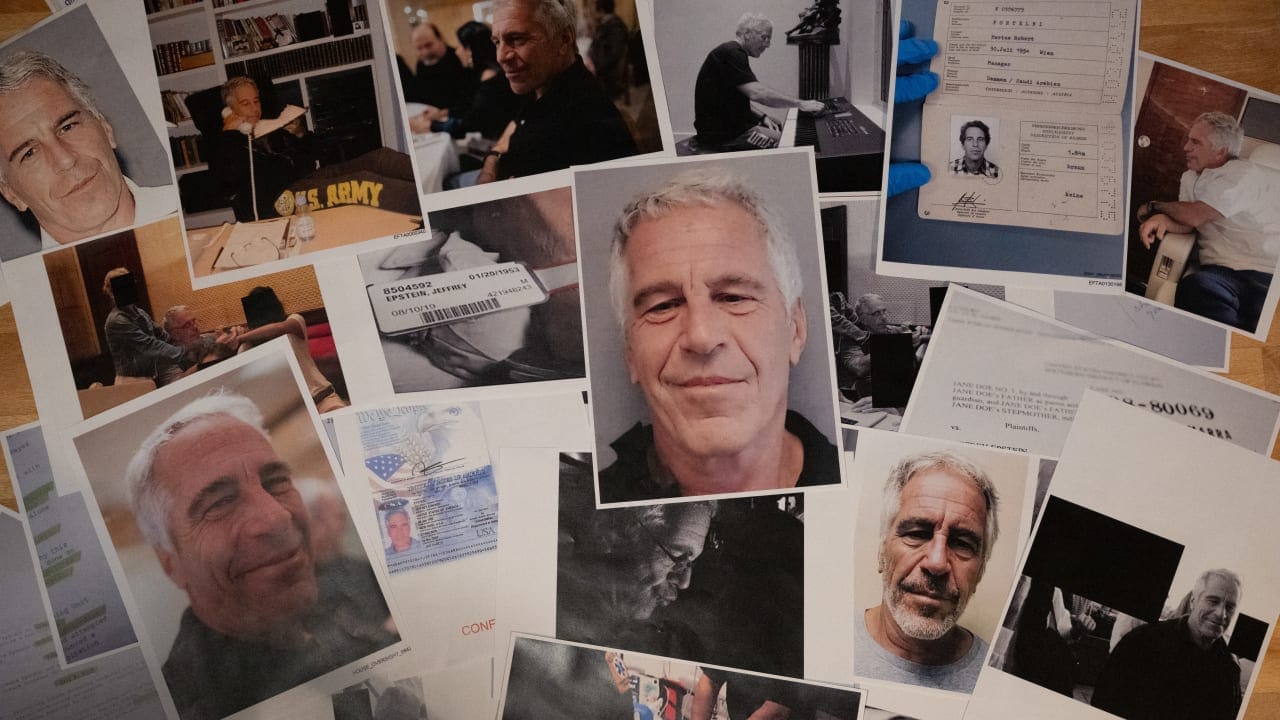
A senior forensic medicine expert claimed that the findings of sex offender Jeffrey Epstein's autopsy pointed to the possibility that he was murdered in his New York prison cell in August 2019, rather than having died by suicide as authorities ruled, the New York Times reported on Monday.
Dr. Michael Freeman, a researcher specializing in the analysis of deaths and homicides, was granted access to Epstein's autopsy file and concluded, after examining the findings, that murder was a more plausible explanation for his death.
According to a separate report by CBS, Freeman identified marks on Epstein's neck in the autopsy photographs that he said were inconsistent with self-hanging.
Forensic expert criticized handling of the investigation
He also pointed to injuries on the shoulder and back that could indicate a physical struggle. One possible explanation for the findings, he said, was that Epstein had been strangled from behind using a cloth wrapped around his neck.
Freeman also criticized the handling of the original investigation, pointing to the absence of photographs showing Epstein's body in its original position in the cell and the failure to preserve the material allegedly used in the hanging.
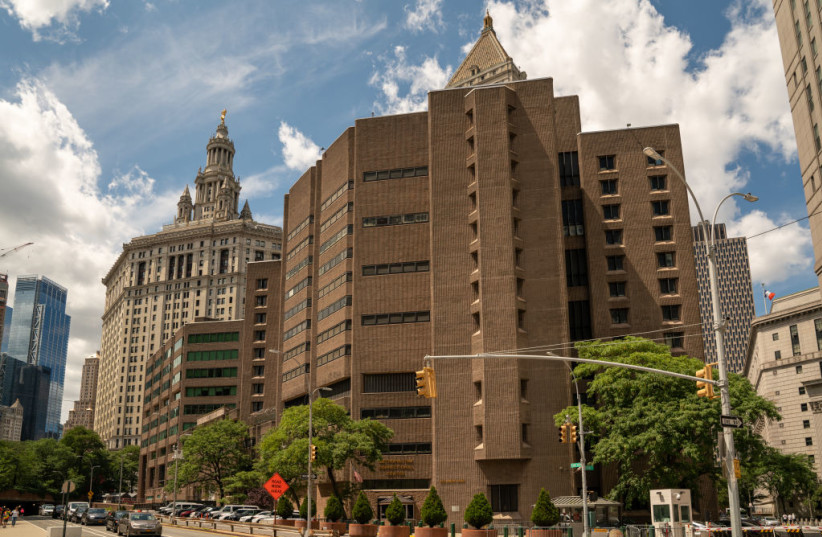
These shortcomings, he said, made it difficult to reexamine the circumstances of Epstein's death.
However, Freeman's conclusions do not constitute proof that Epstein was murdered. US authorities continue to stand by the official determination that he died by suicide, and the New York Medical Examiner's Office has said it stands by the original autopsy findings.
Freeman said that when he first examined the autopsy photographs, he noticed an unusual mark on Epstein's neck. Unlike the typical mark left by a hanging, which usually forms a uniform, diagonal line rising toward the knot, the mark on Epstein's neck was deep, uneven, and split on one side into the shape of the letter Y.
"Hold on a second, this doesn't look like a hanging mark," Freeman recalled thinking. He said the finding was one of the main reasons he began questioning the conclusions of the original investigation.
Freeman spent a year examining the full autopsy file, which was given to him last November by Mark Epstein, Jeffrey's brother. Freeman is seeking to publish his conclusions in a peer-reviewed scientific journal, although his research has so far been rejected for publication.
He is working with two additional experts: cognitive neuroscientist Itiel Dror and Swedish forensic pathologist Anders Eriksson.
Experts question whether forensic evidence points towards hanging as cause of death
Other forensic medicine experts who examined some of the photographs agreed that the mark on Epstein's neck was unusual for a hanging, although some stressed that this did not rule out suicide and that the circumstances of death could not be determined based on the injuries alone.
Another detail concerns the testimony of the detention facility employee who found Epstein's body. The employee initially refused to speak with investigators and only provided an account two years after Epstein's death, saying that the back of his body had been elevated about 2.5 centimeters above the floor when he found him.
Freeman used this description, together with the autopsy photographs and Epstein's body structure, to create three-dimensional computer simulations of the hanging and examine whether the physical findings were consistent with the officially determined circumstances of death.
According to the investigation, pathologist Kristin Roman, who performed the original autopsy, told federal investigators that she had no doubt Epstein had died by suicide. She said his body was in normal condition, with no signs of bruising or dirt under his fingernails, and that no evidence of a struggle had been found.
Freeman, however, criticized investigators for not conducting DNA tests under Epstein's fingernails. It also emerged that Roman had not been permitted to inspect the detention cell where Epstein's body was found, limiting her ability to examine the circumstances of his death.
The publication of the findings also sparked controversy in Britain. Freeman had been scheduled to present his research at University College London, but the university unexpectedly announced on Sunday that the event had been canceled on campus, citing concerns over the implications for student welfare.
The lecture was moved to the Middle Temple legal institution in London. Shortly before the event, Mark Epstein published the autopsy photographs online, making material that had previously been accessible to only a limited number of people available to the general public.