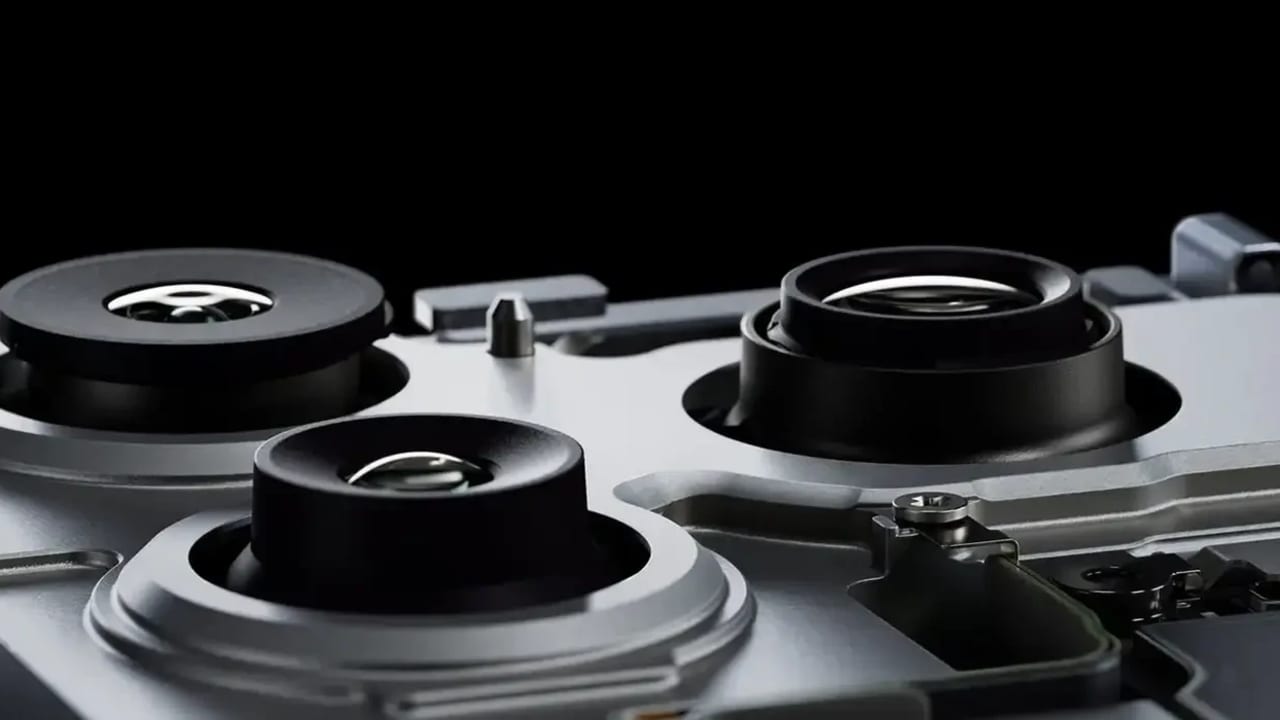
Apple is stepping up preparations for the launch of the iPhone 18 series, as recent reports from the supply chain indicate the start of production of one of the most intriguing components in the next generation. According to the reports, the Chinese company Sunny Optical has begun manufacturing the key component required to control the lens iris (Iris) for the iPhone 18 Pro and iPhone 18 Pro Max models. This is a significant step confirming Apple’s intention to introduce, for the first time, a camera system with a variable aperture, a technology that has been expected to be integrated into iPhones for many years.
The main advantage of a variable aperture lies in the ability to physically control depth of field in photography, as opposed to the software-based blur currently known from “Portrait” mode. Mechanical control allows the photographer to choose between a shallow depth of field, which naturally isolates the subject from the background, a medium depth of field that keeps the background recognizable, or a wide depth of field in which all parts of the image remain in sharp focus - an ideal solution for landscape or architectural photography. This represents a shift from digital image processing capabilities to advanced optics that bring the smartphone closer to the performance of professional cameras.
The production timeline reflects Apple’s logistical complexity, as it operates using a reverse supply chain method. To achieve a final product by the launch date, production must begin with the smallest components well in advance. The mechanical actuator, responsible for opening and closing the iris in the lens, is the component currently on Sunny Optical’s production lines. An industry source familiar with the details confirmed that the production of the parts has recently begun, with the aim of transferring them to LG Innotec, which will begin assembling the full camera modules around the upcoming months of June and July.
Apple’s decision to begin production at such an early stage indicates the maturity of the technology and the company’s readiness to make it the new standard in its premium devices. While in the past, rumors about a variable aperture were considered mere speculation, the evidence emerging from production lines in Asia now provides solid confirmation that 2026 will be the year the iPhone makes its major optical leap.