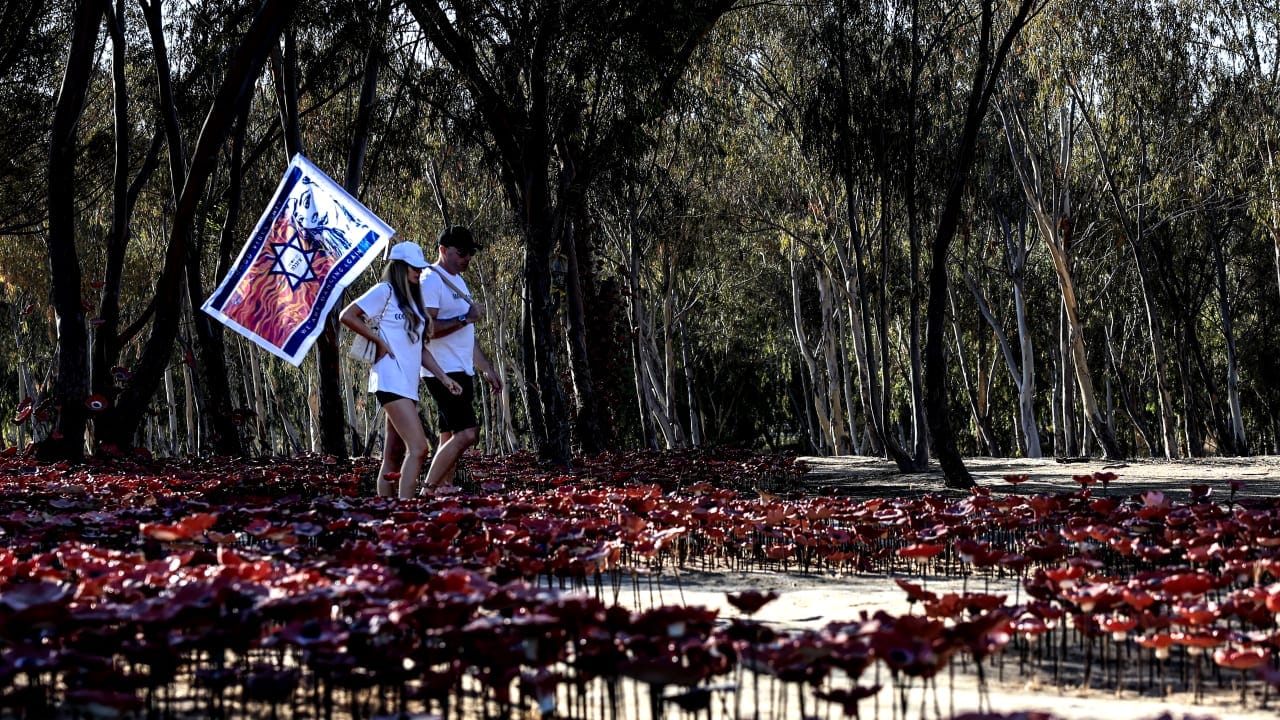
Israel enters the Hebrew year with the past refusing to stay in the past. In less than a month, the country will mark three years since the October 7 massacre. A few weeks later, on October 27, Israelis will elect their next government.
The calendar is forcing Israel to do an accounting its political system has postponed.
Rosh Hashanah is a celebration of renewal, but renewal does not begin by forgetting. It begins with an honest examination of what went wrong, responsibility for the harm done, and a commitment to choose differently. Israel should expect no less.
October 7 was a Hamas atrocity, and responsibility for the massacre belongs to Hamas. But that truth does not absolve Israel’s leaders of responsibility for the failures that left the country exposed. Both things can be true, and insisting upon the second does not weaken the first.
Nearly three years later, Israelis still deserve a credible public accounting of the decisions, assumptions and institutional failures that preceded the attack.
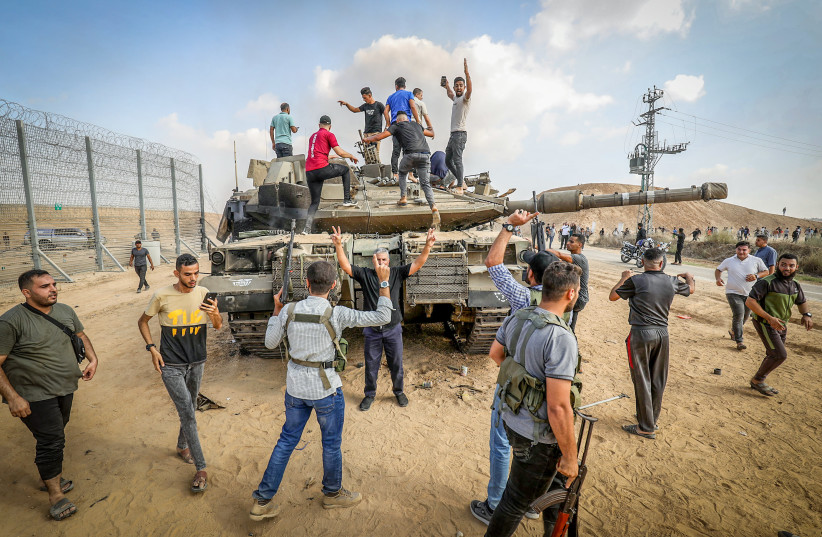
An election cannot replace an independent investigation. It can, however, restore a democratic principle that has been eroded: Those entrusted with the country’s security must answer for their record.
The choice facing Israel is larger. Will it become a permanently mobilized and isolated country, governed through emergency, grievance and warfare? Or will it remain a secure, democratic Jewish state capable of turning military strength into political purpose, enforcing one law and preserving the alliances on which its security depends?
The multitude of Israeli security challenges
What is the strategy for Gaza? How will Israel prevent another October 7 rather than merely promise that it will? How will it confront Iran and its proxies without allowing conflict to substitute for policy? How will it rebuild communities, care for the wounded, and support those who have carried the burden of military service?
The same test applies at home. A government cannot demand sacrifice from reservists and their families while indefinitely avoiding a fair arrangement for military and national service. It cannot claim to defend democracy abroad while treating independent institutions as domestic enemies. Nor can it restore public trust while accountability remains something demanded only of political opponents.
Israel’s international standing must also form part of this reckoning.
This week, British Foreign Secretary Ed Miliband accused extremist settlers of carrying out ethnic cleansing in parts of the West Bank and announced measures against settlement trade. Israel has every right to challenge accusations it considers false, selective or inflammatory. It should continue to expose the double standards, historical distortions and antisemitism that too often accompany international criticism.
But indignation is not a foreign policy. This newspaper warned in 2024 that Israel could not afford to become a pariah state and that the belief that it could simply fight alone was dangerous.
That warning has only grown more urgent. Israel cannot control the prejudices of its enemies, but it can control its own policies, the conduct of its officials, and whether extremist violence is confronted or tolerated.
When allies believe Israel will not restrain lawlessness in the West Bank, they begin making distinctions and imposing consequences. Condemning their response does not remove the underlying danger. Israel must enforce the law, protect Palestinians from violence and prevent ideological extremists from determining the country’s diplomatic future.
Hope does not rely on one camp alone
There is reason for hope in the new year, but it does not rest solely on the victory of one camp or the defeat of another. It rests on Israel’s continuing ability to correct course through democratic means.
Voters should demand concrete answers: an independent October 7 inquiry, a fair sharing of national obligations, clear political objectives for Israel’s military power, protection of democratic institutions and a serious plan to repair relations with allies and Jewish communities abroad.
The shofar is not a sound of self-congratulation. It calls us to wake up from slumber.
Israel’s strength has never depended on pretending that it makes no mistakes. It depends on recognizing danger, adapting to it, and refusing to lose the moral and democratic purpose for which the country exists.
This year must be the year in which reckoning finally becomes repair.