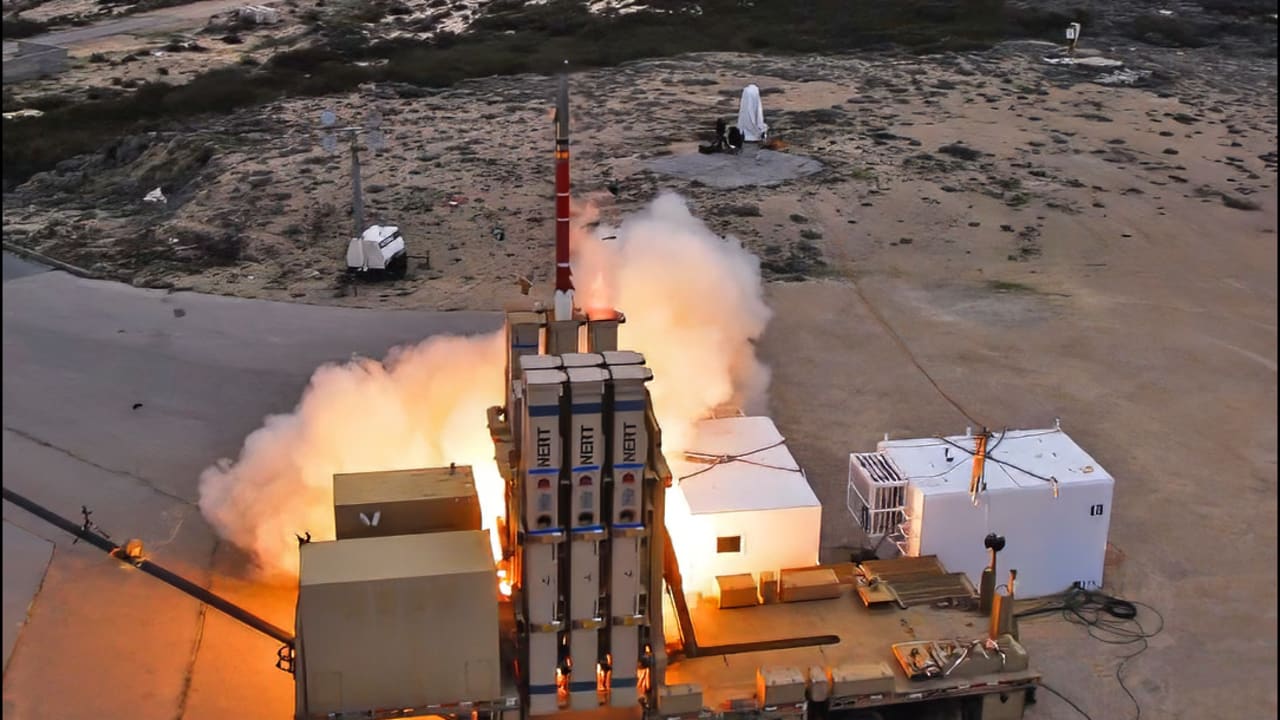
The name of the Israel Defense Forces (IDF) is not accidental: it is the army for the defense of Israel. Yet defense is not only a mission against external threats; it is also the obligation to protect the very systems and people that perform that mission.
Modern adversaries have learned a simple, brutal lesson: you do not have to defeat a fighter force in direct combat to deny a nation its skies.
You can collapse the defender’s ability to detect, cue, and intercept by striking the sensor and launcher backbone – radars, launchers, command nodes, and their supporting infrastructure.
A single successful strike against one of these elements can create an operational hole that cascades into missed intercepts, delayed warnings, and exposed populations. In short, the survivability of air and missile defense batteries has become a decisive element of air superiority.
This reality demands a reorientation of doctrine and engineering.
Historically, air superiority was measured by the ability to control the air with fighters and strike aircraft. Today, it is equally measured by the resilience of the integrated air and missile defense architecture that protects the homeland.
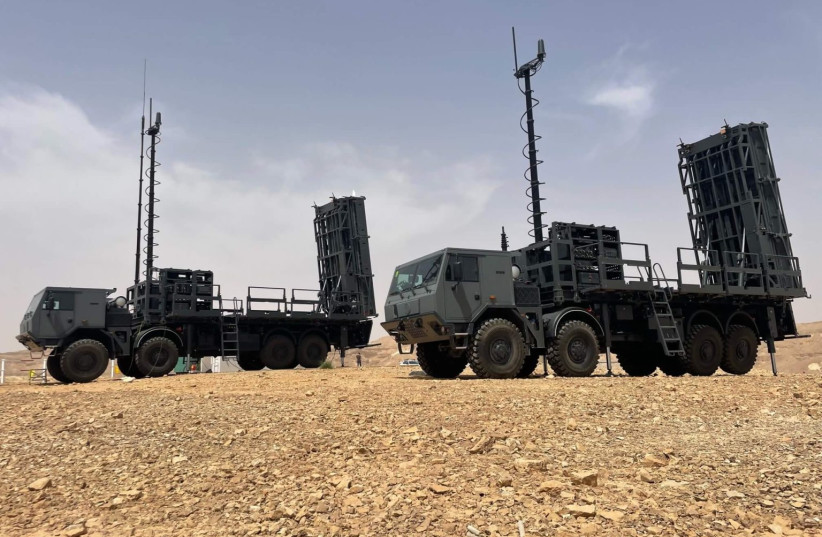
Distribution and redundancy must be engineered into the architecture. Single, static nodes are attractive targets.
Overlapping engagement zones, heterogeneous sensor mixes (active radars, passive radio frequency, electro-optical/infrared, very high frequency/ultra high frequency, and space‑based assets), and geographically dispersed clusters reduce single‑point failures.
When one node is degraded, others must immediately assume its role without human delay. Mobility and deception are force multipliers.
Transportable radars and mobile launchers complicate adversary targeting cycles. Pre‑planned displacement corridors, shoot‑and‑scoot tactics, and strict emission control discipline force attackers to expend time and munitions on uncertain targets.
Mobility does not mean sacrificing capability; it means trading some raw range for survivability while relying on sensor fusion to preserve situational awareness. Hardening and signature management raise the cost of successful attacks.
Hardened shelters, blast‑resistant enclosures, thermal masking, and multispectral camouflage increase the lethality threshold an adversary must meet.
Strengthening the last line of defense
Combined with decoys and expendable emitters, these measures force attackers into inefficient munition use and reduce the probability of mission‑critical hits.
Active local defenses are essential. Colocating short‑range interceptors, counter-unmanned aircraft systems, and point‑defense weapons with air and missile defense batteries creates a last line of defense against loitering munitions and guided rockets.
Where feasible, directed‑energy systems can add a high‑volume, low‑cost layer against swarms. Active protection must be integrated with the battery’s command and control so that interception is automatic, fast, and coordinated.
Resilience engineering – redundant power, modular spare parts, rapid repair teams, and resilient C2 links (mesh networks, SATCOM backups, hardened line‑of‑sight) – shortens mean time to restore.
The goal is not invulnerability; it is rapid recovery and graceful degradation so that civilian warning, interception, and protection continue even under sustained attack.
These measures carry trade‑offs. Mobility can reduce sensor performance; hardening and redundancy increase procurement and sustainment costs; and distributed architectures complicate command and control.
None of these are reasons to delay. They are reasons to prioritize modularity, commonality, and automation: modular radar front ends, plug-and-play spare modules, and automated handover logic that minimizes human latency.
Operational doctrine must change in step with engineering. Units must train for emission control operations, deception schedules, and rapid displacement. Logistics must be decentralized and prepositioned.
Wargaming and red-teaming should stress adversary campaigns that target the sensor backbone, not just fighter engagements. Rules of engagement and automated handover protocols must be clear for degraded modes to avoid gaps and fratricide.
Protecting air and missile defense batteries is not an optional add‑on. It is a core engineering and operational discipline that determines whether a nation can preserve its skies and protect its people.
Adversaries who cannot defeat our fighters may still seek to blind and paralyze us by attacking our sensors and launchers.
If we accept that reality, we must respond with distributed, mobile, hardened, and actively defended battery architectures – backed by resilient logistics and automated command and control.
Only then will the protectors remain protected, and only then will air superiority be more than a slogan: it will be a sustained, engineered reality.
The writer is a former IDF Air Defense Command chief and former IDF spokesperson, holding the rank of brigadier-general (res.).