Iran and the United States are far from reaching a deal to end the war, a senior Iranian official told Reuters on Tuesday, despite heightened diplomatic efforts to prevent a potential return to active conflict after the US midterm elections.
The US carried out "defensive" strikes on Iran's Qeshm island overnight, with a US official saying the strikes targeted surface-to-air missiles used against US assets. Meanwhile, the Revolutionary Guards said they downed a US MQ-9 drone overnight in the skies over the east of the Strait of Hormuz.
"Mediators are working hard to narrow gaps between Tehran and Washington," the senior Iranian official said, after Qatari mediators traveled to Tehran on Monday night for talks on a version of the draft US-Iran deal that has been under negotiation for the past eight days.
“Tehran's conditions must be met if the US wants Hormuz reopened,” the Iranian official cautioned, adding that nuclear talks could only start afterwards and that Tehran would not accept Washington's "excessive demands."
Iran's Parliament Speaker Mohammad Bagher Qalibaf said on Tuesday that the ball was in the US' court after Tehran gave a "strong and rational response" to Washington.
The senior Iranian told Reuters Tehran would respond forcefully, in the region and beyond, to US strikes.
"The enemy seeks to force the Iranian nation into submission through threats and military action, but they are sorely mistaken, Iran will not submit," Qalibaf also said on Tuesday, adding that Tehran's response to any miscalculation by the US would be unpredictable and disregard geographical constraints.
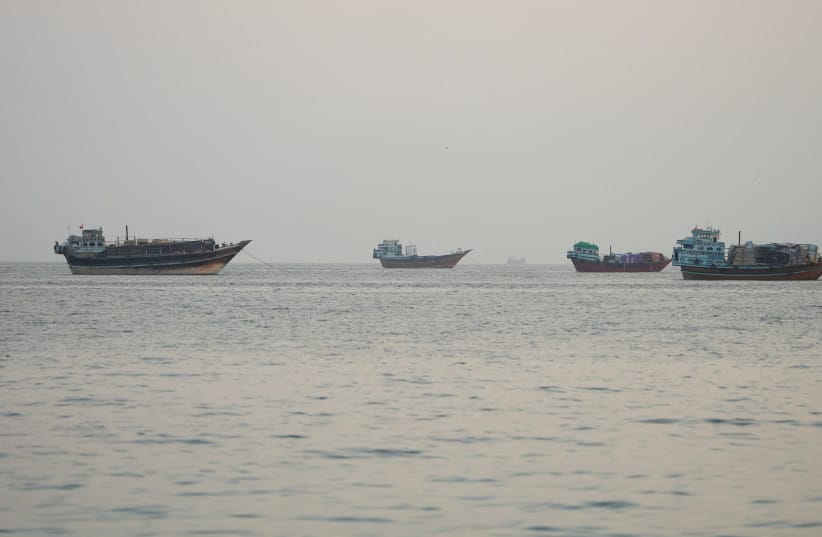
Later, the semi-official Tasnim news agency quoted Iran's Revolutionary Guards Navy as saying that three oil tankers had struck mines and caught fire in the Strait of Hormuz on Tuesday after entering unauthorized shipping lanes with their navigation and identification systems switched off.
The vessels were left burning off the southern coast of the strait, the IRGC Navy said, warning ships against ignoring Iranian regulations and cooperating with the US military to transit unauthorized routes.
The IRGC also said that it had shot down two Lucas drones over the coastal area of Bandar Khamir on Tuesday, according to Tasnim.
US President Donald Trump raised doubt on Monday about whether he would follow through on a threatened resumption of military strikes against Iran after the midterm elections on Tuesday, adding that he believed Tehran wanted to make a deal as soon as possible.
Iran, Saudi talks continue with aim to reach regional security deals
In parallel to US-Iran exchange of messages via intermediaries, diplomatic efforts are ongoing at the regional level to prevent further deflagration.
Iranian Foreign Minister Abbas Araghchi said on Tuesday that talks between Iran and Saudi Arabia are ongoing as Tehran aims to reach new regional security arrangements for countries in the region without foreign military involvement.
Last week, top officials from Saudi Arabia, Turkey and Pakistan met Iranian officials in Tehran, the first high-level contact between Iran and the three nations since August.
Riyadh said the visit was intended to open negotiating channels to "prevent the return of military escalation," as fighting between Saudi Arabia and Yemen's Iran-aligned Houthis had intensified in recent weeks.
Houthis attack oil facilities, airports en route to Bab el-Mandeb
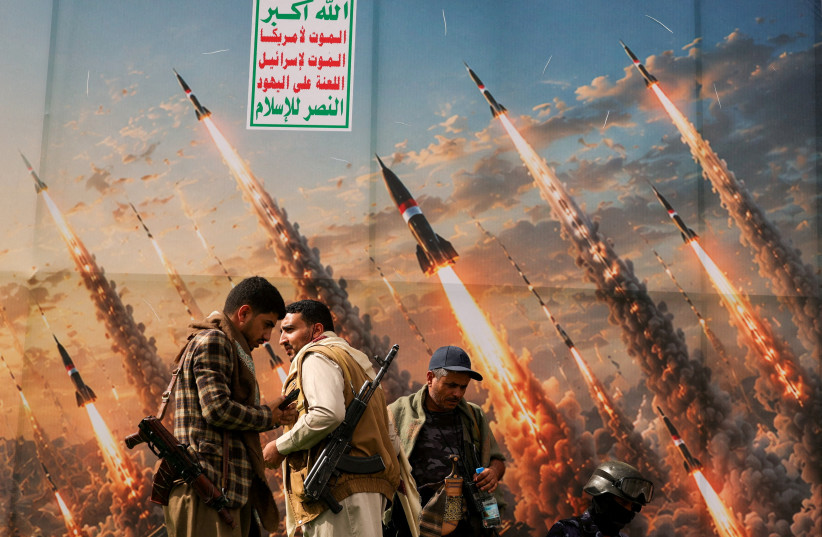
Houthi attacks on the kingdom escalated as the Iran-backed militia advanced towards the Bab el-Mandeb Strait, a key shipping chokepoint that lies on the opposite side of the Arabian Peninsula from the Strait of Hormuz.
The Houthis have also attacked Saudi oil facilities and airports including Riyadh's international airport, disrupting flights and oil exports and drawing Saudi air strikes on Yemen in response.
Impoverished Yemen has been mired in a civil war since the Houthis pushed the internationally recognized, Saudi-backed government out of the capital, Sana'a, in 2014.