
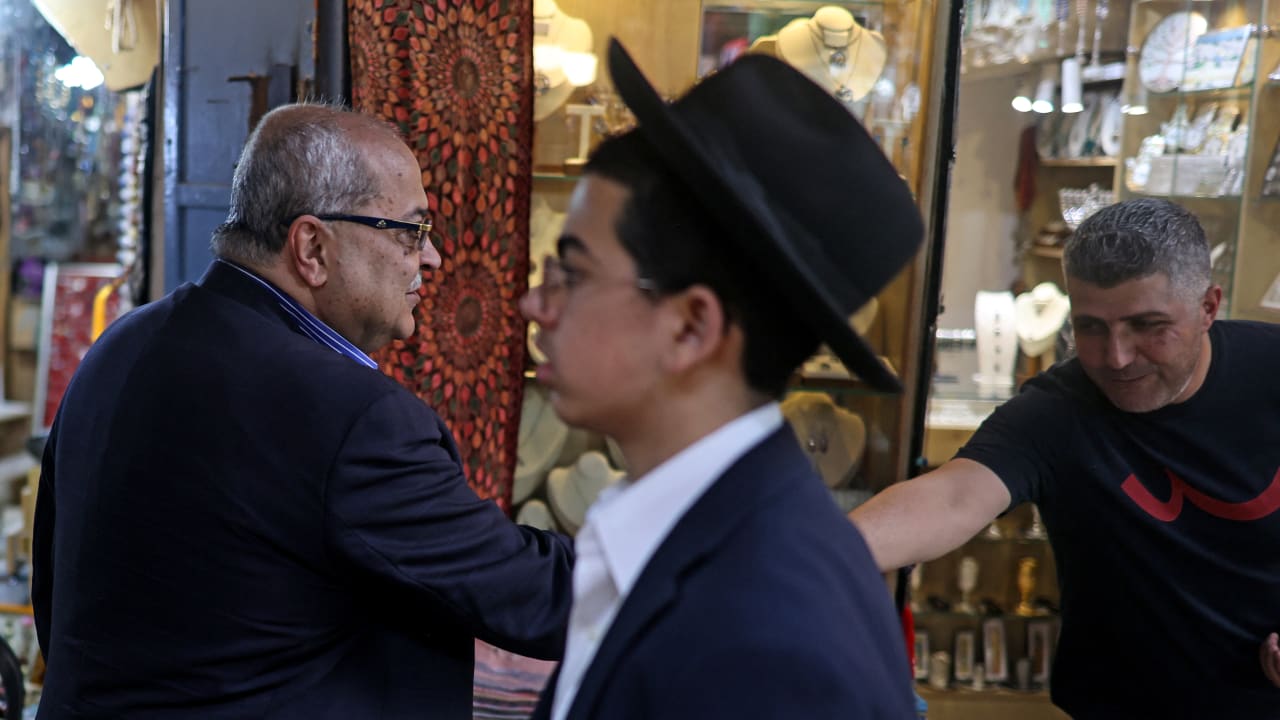

On October 27, Arab citizens went to the polls in numbers not seen in decades. If they are ignored now, will they vote again? Will they still feel part of this society, and act like it?
Their leaders have already held out a hand.
“We have proven that no future can be built here without our voice,” Joint List chairman Yosef Jabareen said on election night, and his party has offered a safety net to any government that replaces the current one.
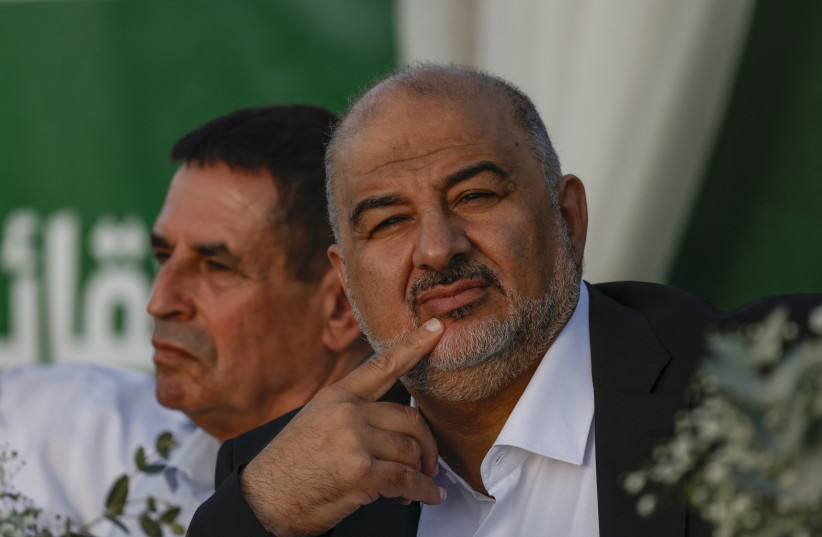
Ra’am leader Mansour Abbas has likewise said he reaches out to anyone who wants change in Israeli society.
If that hand is refused, nobody can promise their voters will come back. The last time the question was tested, the answer was no.
In March 2020, after the Arab parties had recommended a candidate for prime minister for the first time since 1992, their voters turned out in strength.
Within weeks, that hope came to nothing, and a year later, Arab turnout fell to 44.6%, the lowest on record. Other factors played a part, but the lesson was clear: a public that learns its vote changes nothing stops voting.
This time, much depends on the young.
According to Michael Milshtein of Tel Aviv University in a Ynet post, nearly half of young first-time Arab voters took part, driven above all by fear for their personal safety.
In a community where four in five voted, that makes the young the ones still undecided about whether voting is worth it. They are deciding right now whether this state is theirs to shape or merely to live in. If the answer they hear is “not yet,” Israel will lose more than their votes.
Including them does not have to mean ministers from every Arab party, or agreement with every position those parties hold.
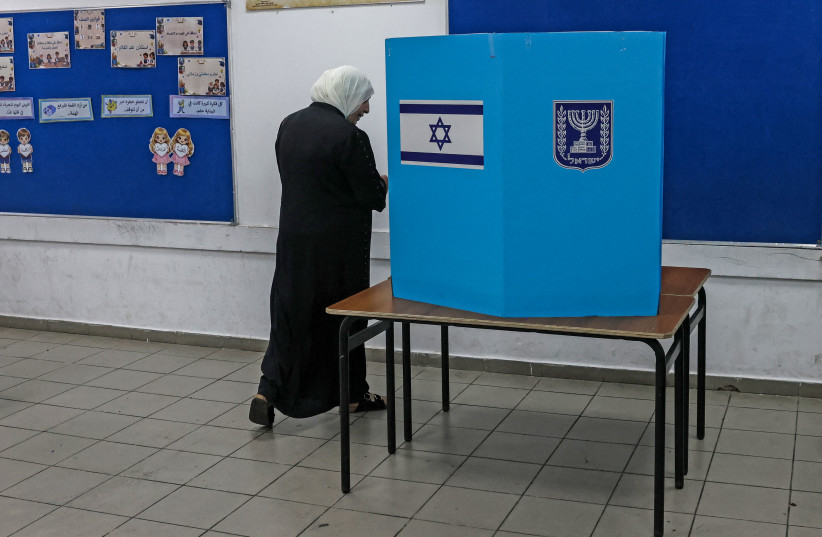
In 1992, Yitzhak Rabin governed with outside support from Arab parties that never sat at his cabinet table. Today there are other ways in, too: a voice in the committees that divide the budget, a real role in fighting the crime that is emptying Arab towns, partnership in the plans for housing and local councils.
Inclusion asks something of the other side, too. As Dan Perry argued in Maariv recently, as long as the Joint List hesitates to name Hamas for what it is, a terrorist organization, it hands its opponents their easiest reason to keep Arab parties out.
Naming it would not mean giving up who its voters are. It would mean taking that excuse away.
A democracy cannot boast of its Arab voters in Washington and treat them as a threat in Jerusalem.
What would Israel gain by pulling out a chair? Talent, for one. Arab citizens are already the doctors, nurses, and pharmacists in every Israeli hospital. Their share of high-tech graduates rose from 4% in 2012 to 10% in 2023, according to the Bank of Israel, yet they still hold under 4% of high-tech jobs.
In an industry that produces 18% of the country’s GDP and a third of its growth since 2017, that gap is money left on the table.
Now turn the picture around. A second community lives side by side with the rest of us, kept apart differently: by its own leaders.
The haredim (ultra-Orthodox) already have the political power Arab citizens are asking for. Their parties have sat in most Israeli governments for decades, and their institutions enjoy generous public budgets.
Yet in daily economic life they remain largely apart. Only about 54% of haredi men work, compared with roughly 85% of other Jewish men, according to the Israel Democracy Institute, and that figure has barely moved in more than a decade. That gap has a price, and the rest of the economy pays it.
But look at the young, and a different picture emerges. Haredi women are already in. Their employment rate reached 80.8% this year, close to that of other Jewish women. The number of haredi women seeking work in hi-tech rose 28.5% in two years, and most of them are 34 or younger.
Some 17,400 haredim are enrolled in higher education.
The young generation is pushing its way in, often quietly, often against the wishes of its own leadership, and most of the time, no one is ready to meet them: programs that fit their way of life, employers willing to adapt, and schools that teach what a modern economy needs.
The change has even reached the ballot. In this election, a new party, the Haredi Public, ran on a platform of integrating haredim into wider Israeli society, with two haredi women on its slate, among them Dr. Nechumi Yaffe, an academic who studies her own community.
It won only about 0.2% of the vote, far below the threshold. But a haredi party asking for a way in, rather than for more distance, shows where part of the community is heading.
Arab citizens and haredim make up about 30% of Israel’s working-age population, yet less than 6% of its high-tech workforce. By 2050, according to the Central Bureau of Statistics, almost one in four Israelis will be haredi.
Including them is not a favor to two minorities. It is the arithmetic of Israel’s survival.
Arab voters have shown that they want a seat at the political table. Young haredim, especially women, are showing every day that they want a place in the economy. Both are reaching for a seat.
A country that keeps them standing should not be surprised if, one day, they stop trying.■