The United States has imposed sanctions on a Hamas military operative and a France-based fundraising network that Treasury says used purported humanitarian charities and cryptocurrency to channel more than $2 million to the terrorist organization.
Announced on October 2, the measures target Gaza-based Saleem Abdallah Saleem al-Zaq, French fundraisers Faouzi Barika and Amel Oualid, and their respective organizations, Association Baraka and Ensemble C Mieux. Treasury said $1.5 million was collected after Hamas’s October 7, 2023 attack on Israel.
According to Treasury, the fundraisers solicited donations ostensibly for Gazan civilians but transferred money to al-Zaq, a battalion deputy in Hamas’s military wing, who funneled funds to the organization. Hundreds of thousands of dollars allegedly moved through cryptocurrency.
The sanctions form part of a broader FBI-led operation targeting Hamas fundraising, including ventures operating inside the United States, with participation from the New York Police Department. They block designated parties’ assets under US jurisdiction and generally prohibit US persons from transacting with them.
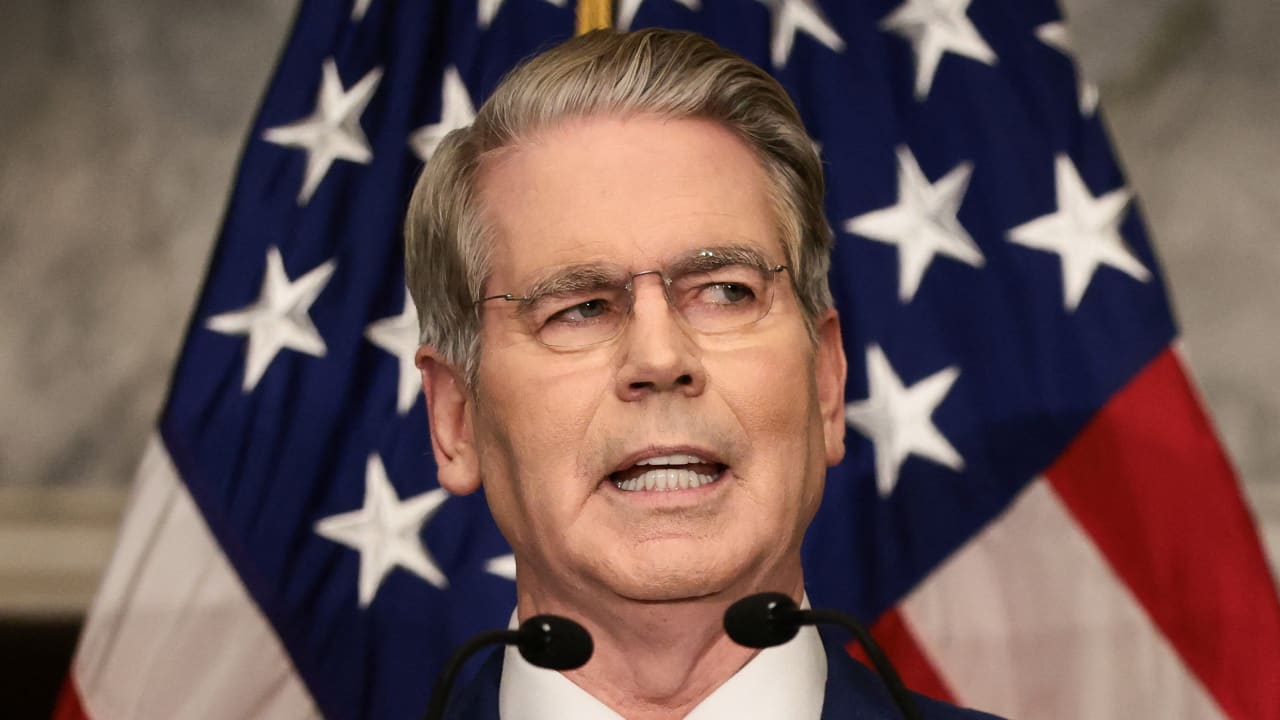
Treasury Secretary Scott Bessent pledged to pursue those providing Hamas with “the financial lifelines it needs to survive.”
The Combat Antisemitism Movement welcomed the action, linking the disruption of Hamas’s financial networks to the protection of Americans and Jewish communities as the third anniversary of October 7 approaches.
CAM President of US Affairs Alyza D. Lewin called the sanctions a meaningful counterterrorism measure and urged sustained American pressure to prevent Hamas from threatening Americans and undermining Middle East stability.
Lewin said Hamas had murdered dozens of American citizens, including 46 on October 7. She also warned that the celebration and promotion of Hamas violence on American college campuses endangered Jewish safety and undermined the country’s foundational freedoms.
“We commend the Department of Treasury for this meaningful step in the fight against terrorism,” Lewin said. “As we approach the third anniversary of the October 7th massacre, it is vital that the United States maintain pressure on Hamas to prevent it from undermining peace and stability in the Middle East and threatening the safety and security of Americans.”
“Since its founding four decades ago as a Palestinian offshoot of the Muslim Brotherhood, Hamas terrorists have murdered dozens of U.S. citizens, including 46 on October 7th. Yet here at home, we see Hamas violence celebrated and promoted on college campuses, a phenomenon that not only threatens Jewish safety but also undermines America’s foundational values and freedoms. This makes the Trump administration’s commitment to shutting down Hamas’s global funding apparatuses all the more important. American national security and the health and strength of our society depend on it.”
For CAM, dismantling the organization’s funding infrastructure carries significance beyond the immediate financial restrictions: it is also part of confronting the normalization of terrorist violence within American society.